What Is a Full Mouth Reconstruction?
Understanding Full Mouth Reconstruction
Definition and Scope
Full mouth reconstruction refers to the extensive dental treatments aimed at rebuilding or restoring all of the teeth in a patient's mouth. It encompasses a variety of procedures tailored to address individual needs and restore both function and aesthetics.The process is comprehensive, often involving several dental specialists and a range of treatments that may include, but are not limited to:
- Prophylactic teeth cleaning or periodontal treatment
- Crown lengthening
- Orthognathic surgery
- Gum tissue contouring
- Reduction of tooth structure
- Temporary and permanent restorations such as crowns, veneers, inlays, onlays, and bridges
- Orthodontics
- Dental implants and anchor bridge restorations
- Bone or soft tissue grafting
The goal of
full mouth reconstruction is not only to improve the appearance of the teeth but also to restore functionality, ensuring a healthy bite and alleviating any discomfort or pain associated with dental issues.
Given the complexity and personalized nature of full mouth reconstruction, the timeline can extend over several months or even more than a year. Each patient's journey is unique, with the sequence and specifics of procedures varying based on their specific dental conditions and desired outcomes.
The Multidisciplinary Approach
Full mouth reconstruction is not a one-size-fits-all solution; it requires a multidisciplinary approach to address the complex needs of each patient. This approach brings together various dental specialists who collaborate to create a comprehensive treatment plan.
- Periodontists focus on the gums, bones, and tissues supporting the teeth.
- Oral surgeons handle complex tooth extractions, jaw surgeries, and implants.
- Orthodontists correct misalignments and improve bite function.
- Endodontists specialize in root canal treatments and the interior health of teeth.
- Cosmetic dentists enhance the aesthetic appearance of teeth.
Each specialist plays a pivotal role to be sure that all aspects of oral health are considered and treated effectively. The collective expertise ensures both functional and aesthetic outcomes are optimized.
The timeline for full mouth reconstruction varies significantly based on the individual's condition and the extent of the procedures required. It is a journey that may span several months to over a year, with the patient's well-being and satisfaction at the core of every decision made.
Timeline and Expectations
The journey to a fully reconstructed mouth is not a quick one. It is a process that requires a clear understanding of the timeline involved, and commitment to follow through.
Each phase of the reconstruction is meticulously planned and executed, with healing times and follow-up appointments factored into the schedule. It's crucial for patients to have realistic expectations and to be prepared for the commitment needed.
The following list provides a general outline of the stages involved in full mouth reconstruction:
- Initial consultation and assessment
- Development of a personalized treatment plan
- Execution of preparatory procedures, such as tooth extractions or periodontal care
- Surgical interventions, if necessary
- Placement of temporary restorations
- Recovery periods between procedures
- Final placement of permanent restorations
- Ongoing maintenance and follow-up care
Patients should maintain open communication with their dental team throughout the process to ensure they are informed and comfortable with each step.
Reasons for Undergoing Full Mouth Reconstruction
Tooth Loss and Damage
Tooth loss and damage are among the primary reasons individuals consider full mouth reconstruction. Tooth decay, injury, trauma, or periodontal disease can lead to the need for replacing missing teeth. Additionally, teeth that have been fractured or have become severely worn due to acid erosion or bruxism (teeth grinding) may require restoration.
Procedures to address tooth loss and damage may vary, including:
- Prophylactic teeth cleaning or periodontal treatment
- Crown lengthening
- Gum tissue contouring
- Reduction of tooth structure
- Temporary restorations
- Permanent restorations such as crowns, veneers, inlays, onlays, and bridges
- Orthodontics
- Implants and/or anchor bridge restorations
Full mouth reconstruction aims to restore the aesthetics of your smile and focuses on improving the bite and overall functioning of the teeth and jaw. This comprehensive approach can alleviate muscle, head, or jaw pain associated with dental issues.
Chronic Dental Conditions
Chronic dental conditions often necessitate a full mouth reconstruction to restore oral health and functionality. These conditions can include severe tooth decay, advanced periodontal disease, and teeth worn down by bruxism (chronic grinding).
Patients with such conditions may experience a range of symptoms, from persistent pain to difficulty in chewing and speaking. Addressing these issues typically involves a combination of restorative procedures:
- Prophylactic teeth cleaning or periodontal treatment
- Crown lengthening
- Gum tissue contouring
- Reduction of tooth structure
- Permanent restorations like crowns, veneers, inlays, onlays, and bridges
Full mouth reconstruction is a comprehensive solution aimed at not only improving the appearance of one's smile but also at enhancing the overall dental health and function.
The goal is to alleviate discomfort, restore proper bite alignment, and prevent further deterioration of dental health. It's important to recognize that the complexity of each case can significantly influence the treatment plan and timeline.
Improving Bite and Jaw Function
A full mouth reconstruction addresses the aesthetics and health of the mouth and improving the bite and jaw function . This aspect is crucial for patients who experience discomfort or pain due to misalignment, which can lead to chronic conditions if left untreated.- Correction of bite issues helps in alleviating symptoms related to Temporomandibular Joint Disorder (TMD).
- Proper alignment can reduce strain on the muscles and joints, leading to a more comfortable and functional bite.
- Enhanced jaw function improves the ability to chew and speak, impacting overall quality of life.
Full mouth reconstruction aims to restore the appearance of the teeth, and their functionality, ensuring that patients can enjoy a pain-free and fully operational bite.
Patients considering full mouth reconstruction for bite and jaw improvement should discuss with their dental specialist the potential procedures that may be involved, such as orthodontics, orthognathic surgery, or occlusal adjustments. These interventions are designed to create a harmonious relationship between teeth, muscles, and jaw joints, contributing to a balanced and healthy oral environment.
The Full Mouth Reconstruction Process
Initial Consultation and Planning
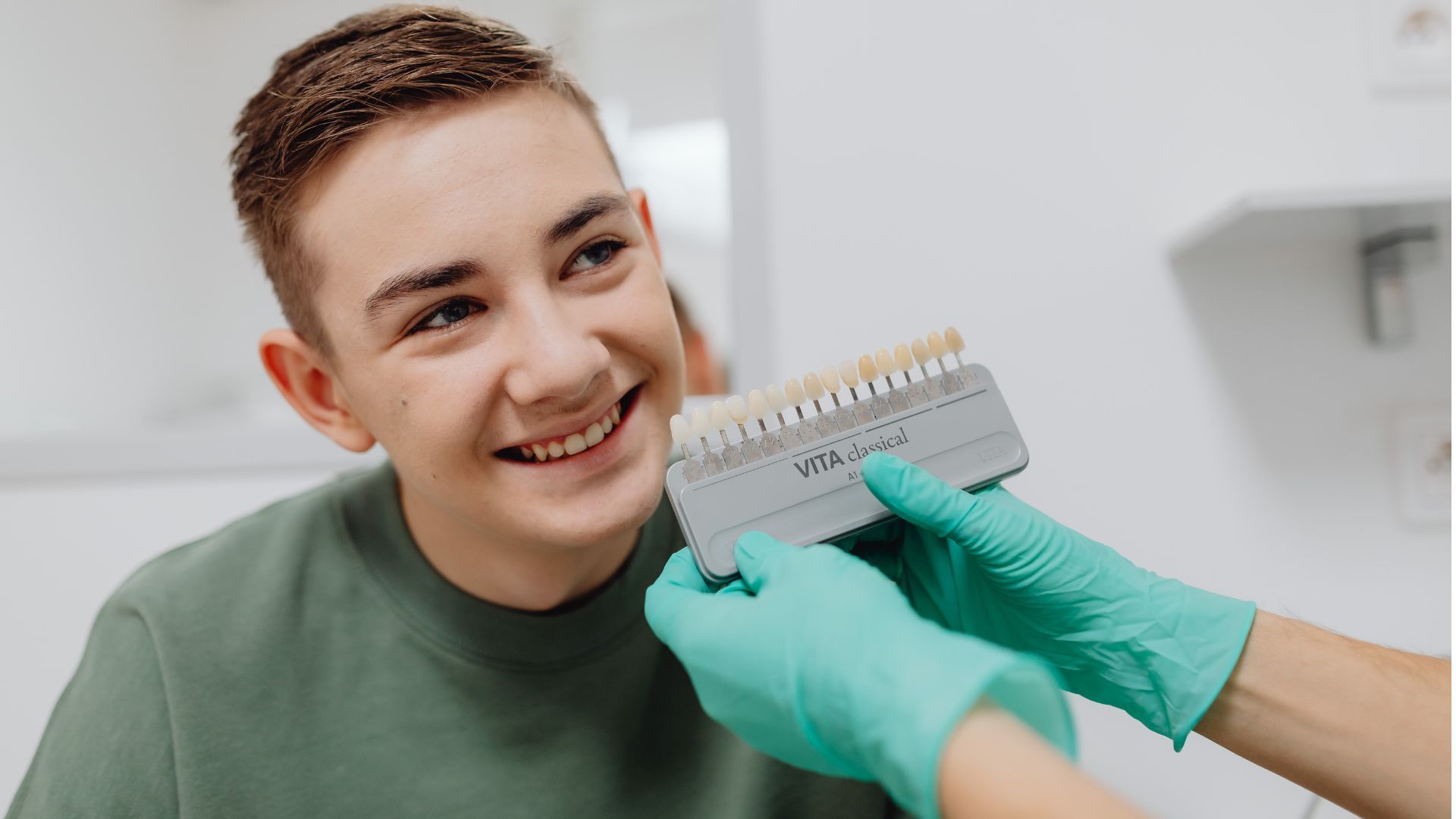
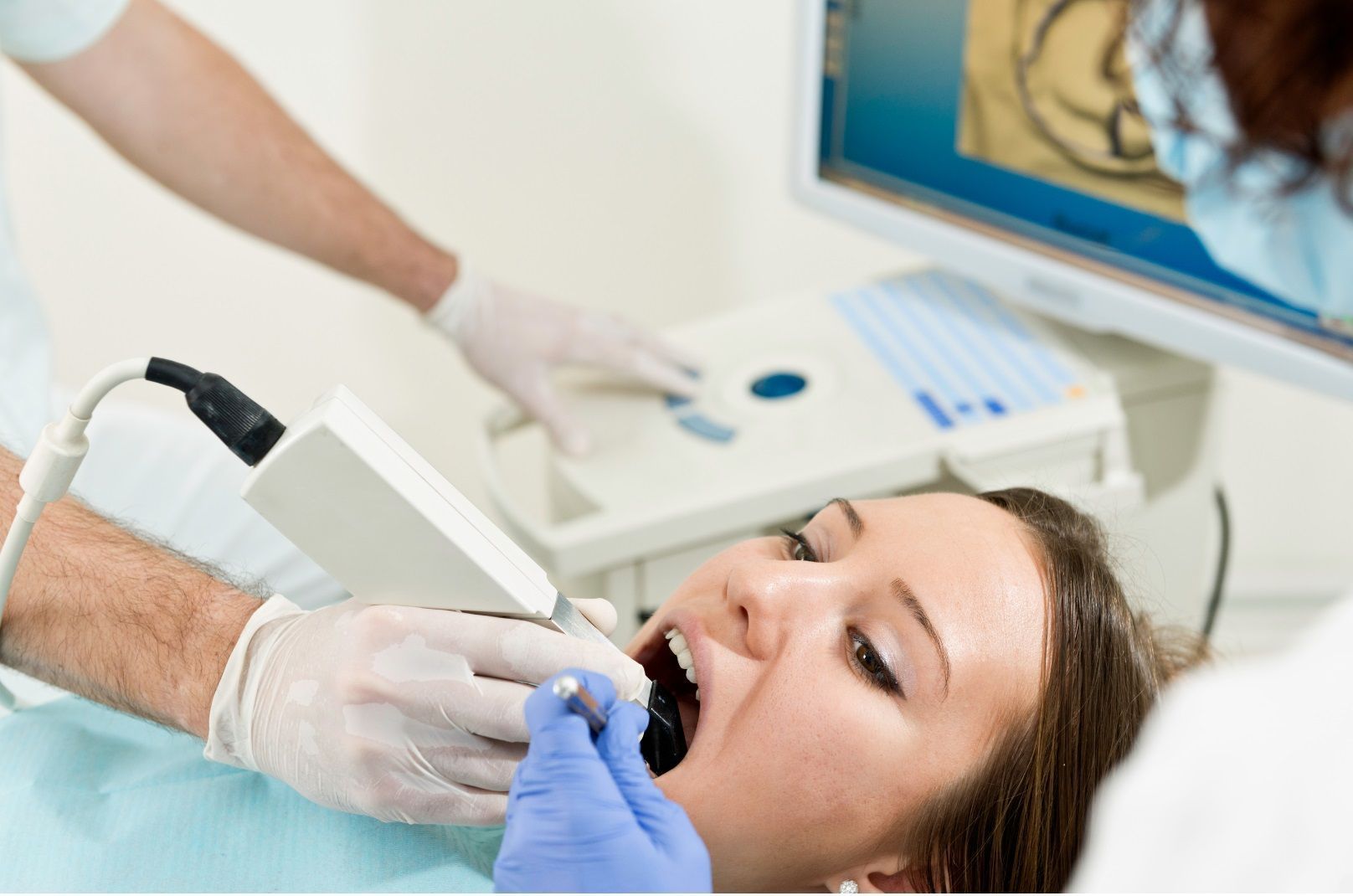
The journey to a renewed smile begins with the initial consultation and planning phase. During this critical stage, your dental team will conduct a comprehensive assessment of your oral health to identify the extent of work needed. This will include a series of X-rays, impressions, and discussions about your dental history and aesthetic goals.
- Comprehensive oral examination
- Discussion of dental history and goals
- X-rays and impressions
The goal of this phase is to develop a personalized treatment plan that addresses all your dental needs and cosmetic desires.
Following the assessment, a detailed treatment plan is formulated, outlining the procedures required for your full mouth reconstruction. This plan is tailored to your specific situation, taking into account any underlying dental conditions, the health of your gums, and the integrity of your existing teeth.
Types of Procedures Involved
Full mouth reconstruction encompasses a variety of dental procedures tailored to the individual's needs. The goal is to restore not only the aesthetics of the teeth but also their functionality and structural integrity. The process may involve both restorative and cosmetic treatments, often requiring the expertise of multiple dental specialists.
- Prophylactic teeth cleaning or periodontal treatment
- Crown lengthening and gum tissue contouring
- Orthognathic surgery for jaw alignment
- Reduction of tooth structure for better prosthetic fit
- Placement of temporary restorations
- Permanent restorations such as crowns, veneers, inlays, onlays, and bridges
- Orthodontics to correct misalignments
- Dental implants and bridge restorations for missing teeth
- Bone or soft tissue grafting to ensure support for restorations
The complexity and extent of procedures vary greatly from patient to patient, with each treatment plan being meticulously crafted to address specific dental issues. Recovery times and the sequence of treatments will be carefully planned to minimize discomfort and ensure the best possible outcome.
Recovery and Aftercare
Recovery from a full mouth reconstruction is a critical phase that requires careful attention to ensure the best outcomes. Patients must follow their dentist's post-operative instructions closely to promote healing and avoid complications. This often includes a regimen of medications, dietary adjustments, and oral hygiene practices.
- Medications : Pain management and antibiotics may be prescribed to manage discomfort and prevent infection.
- Diet : A soft or liquid diet is typically recommended immediately following surgery to avoid stressing the new dental work.
- Oral Hygiene : Gentle but thorough oral hygiene practices are crucial to prevent infection and promote healing.
It is essential for patients to attend all follow-up appointments. These visits allow the dental team to monitor progress, make any necessary adjustments to the restorations, and provide additional care if needed.
The duration of the recovery period can vary depending on the extent of the procedures performed and the individual's healing process. Patients should expect to take some time off work and other activities to focus on their recovery. As healing progresses, they can gradually return to their normal diet and activities, with the guidance of their dental team.
Types of Dental Specialists Involved
Periodontists and Their Role
Periodontists play a crucial role in full mouth reconstructions, particularly when it comes to the health and treatment of the gums and the bones that support the teeth. Their expertise is essential in addressing periodontal disease , which can be a significant factor in tooth loss and the need for reconstruction.
- Prophylactic teeth cleaning or periodontal treatment
- Crown lengthening to prepare teeth for further restoration
- Gum tissue contouring for aesthetic or functional purposes
- Bone or soft tissue grafting to rebuild the jawbone and gum tissue
Periodontists are often involved in the preparatory stages of full mouth reconstruction, ensuring that the foundation of the mouth is healthy and stable before other specialists proceed with their respective treatments. This may include interventions to treat infections, manage gum recession, or prepare the mouth for dental implants.
Their collaboration with other dental specialists is vital to the success of the reconstruction process, as they help set the stage for a healthy oral environment that can support restorative work.
Oral Surgeons and Orthodontists
Oral surgeons and orthodontists play pivotal roles in the full mouth reconstruction process. Oral surgeons are responsible for procedures that involve the surgical aspect of treatment, such as tooth extractions, dental implants, and corrective jaw surgery. These procedures are crucial for laying the foundation for a functional and aesthetically pleasing outcome.
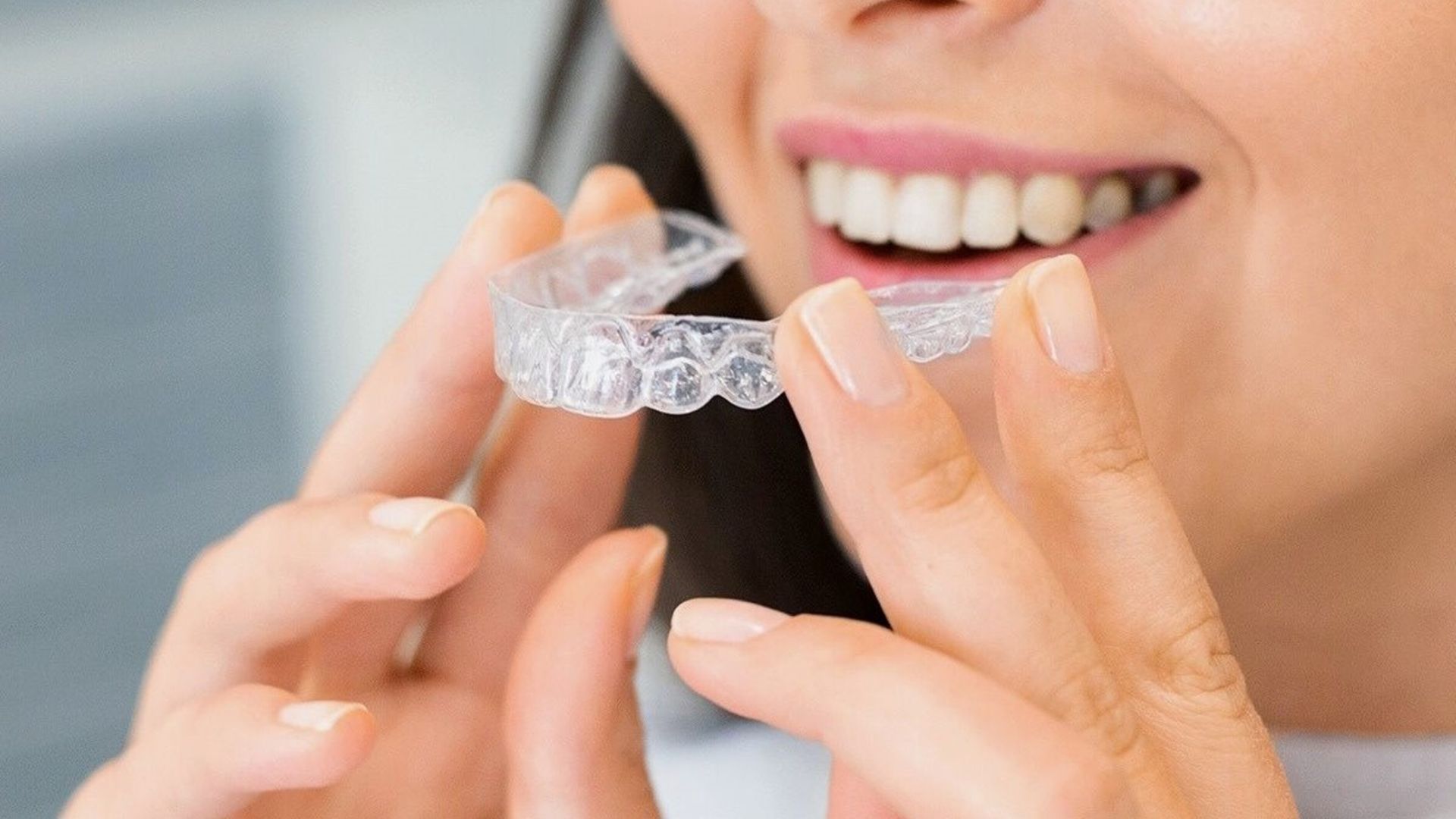
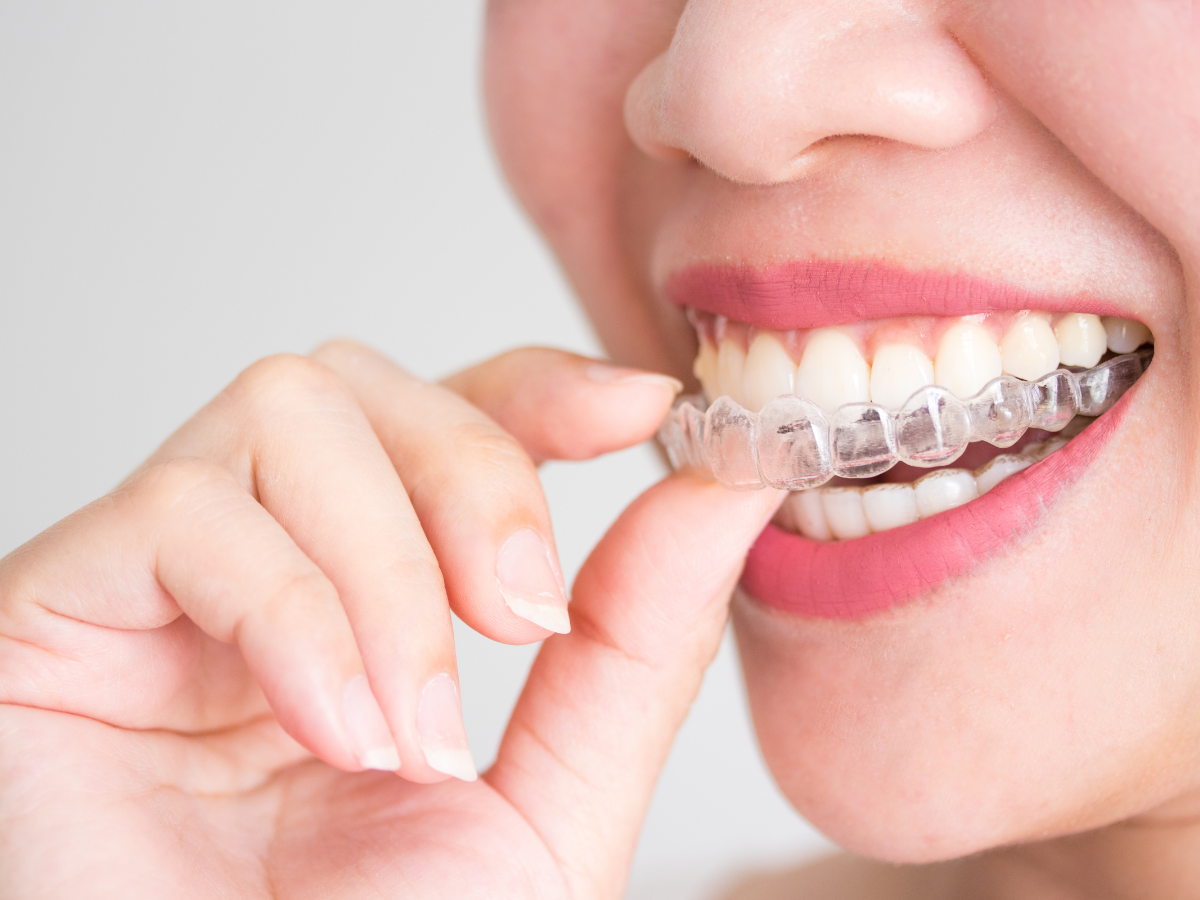
Orthodontists, on the other hand, specialize in correcting irregularities of the teeth and jaw, often through the use of braces or clear aligners. Their work is essential for ensuring that teeth are properly aligned and that the bite functions optimally.
The collaboration between oral surgeons and orthodontists is vital for a successful full mouth reconstruction, as their combined expertise ensures that both the appearance and function of the patient's mouth are restored.
The following is a list of common procedures that may involve oral surgeons and orthodontists during a full mouth reconstruction:
- Tooth extractions
- Dental implants
- Corrective jaw surgery (Orthognathic surgery)
- Bone grafting
- Installation of orthodontic appliances such as braces or Invisalign
Each patient's treatment plan is tailored to their specific needs, and the involvement of these specialists is determined based on the complexity and requirements of their case.
Endodontists and Cosmetic Dentists
Endodontists specialize in treating the inside of the tooth, particularly when it comes to root canal therapy, which is often a crucial part of a full mouth reconstruction. Cosmetic dentists focus on the aesthetic aspects , ensuring that the final appearance of the teeth is both natural and appealing.
Both endodontists and cosmetic dentists play pivotal roles in the restoration process. While endodontists address the health of the tooth pulp and roots, cosmetic dentists work to create a harmonious and visually pleasing smile.
The collaboration between these specialists is essential for achieving a successful outcome. Here's a brief overview of their contributions:
- Endodontists : Perform root canals, treat infections, and manage tooth pain.
- Cosmetic Dentists : Enhance the appearance of teeth with veneers, crowns, bonding, and whitening procedures.
Patients should expect multiple visits to address both functional and aesthetic concerns, as full mouth reconstruction is a comprehensive approach to dental health and beauty.
Considering Full Mouth Reconstruction
Evaluating Your Candidacy
Determining if you are a suitable candidate for full mouth reconstruction involves assessing various factors related to your dental health and personal goals. If you're considering full mouth reconstruction in San Diego, Diamond Dental Studio is a key resource for comprehensive care.
Before embarking on this extensive dental journey, it's important to evaluate:
- The extent of tooth loss or damage you've experienced
- Chronic dental conditions that may affect treatment
- Your desire to improve bite function and aesthetics
Full mouth reconstruction is a significant commitment, and being well-informed about the process and expectations is crucial for a successful outcome.
Each patient's situation is unique, and a detailed consultation with a dental specialist will help clarify the procedures that may be included in your treatment plan. From prophylactic cleaning to complex orthognathic surgery, the range of services is tailored to address your specific needs.
Understanding the Costs
Understanding the costs involved in a full mouth reconstruction is crucial as it can be a significant financial commitment. The total cost will vary greatly depending on the individual's specific needs and the extent of the procedures required.Factors influencing the cost include the number and type of procedures, the materials used, the technology employed, and the fees of the dental specialists involved. Here is a simplified breakdown of potential costs:
- Initial consultation and examination fees
- Imaging and diagnostic tests
- Surgical procedures (e.g., extractions, grafting)
- Restorative procedures (e.g., crowns, bridges, implants)
- Orthodontic work if necessary
- Follow-up care and maintenance
It's important to discuss all potential costs with your dental provider upfront to avoid any surprises and to understand the investment in your oral health.
Most dental insurance plans may cover some aspects of the reconstruction, but they often do not cover the entire cost. Financing options and payment plans are commonly available through dental offices to help manage the expenses over time.
How to Get Started
Embarking on a full mouth reconstruction journey begins with a decisive step: scheduling your initial consultation. This is the pivotal moment where your transformation starts.
To get started, follow these simple steps:
- Research and select a dental practice that specializes in full mouth reconstructions.
- Schedule an appointment for a comprehensive evaluation.
- Prepare a list of questions and concerns to discuss with your dental specialist.
- Gather any relevant dental records or history for your consultation.
Remember, the goal of your first visit is to establish a clear understanding of your dental needs and the potential treatments that will form your personalized reconstruction plan.
It's important to note that full mouth reconstructions are complex procedures that require careful planning and consideration. Make sure to choose a dental team you feel comfortable with, as they will be your partners throughout this transformative process.
Frequently Asked Questions
Recent Posts