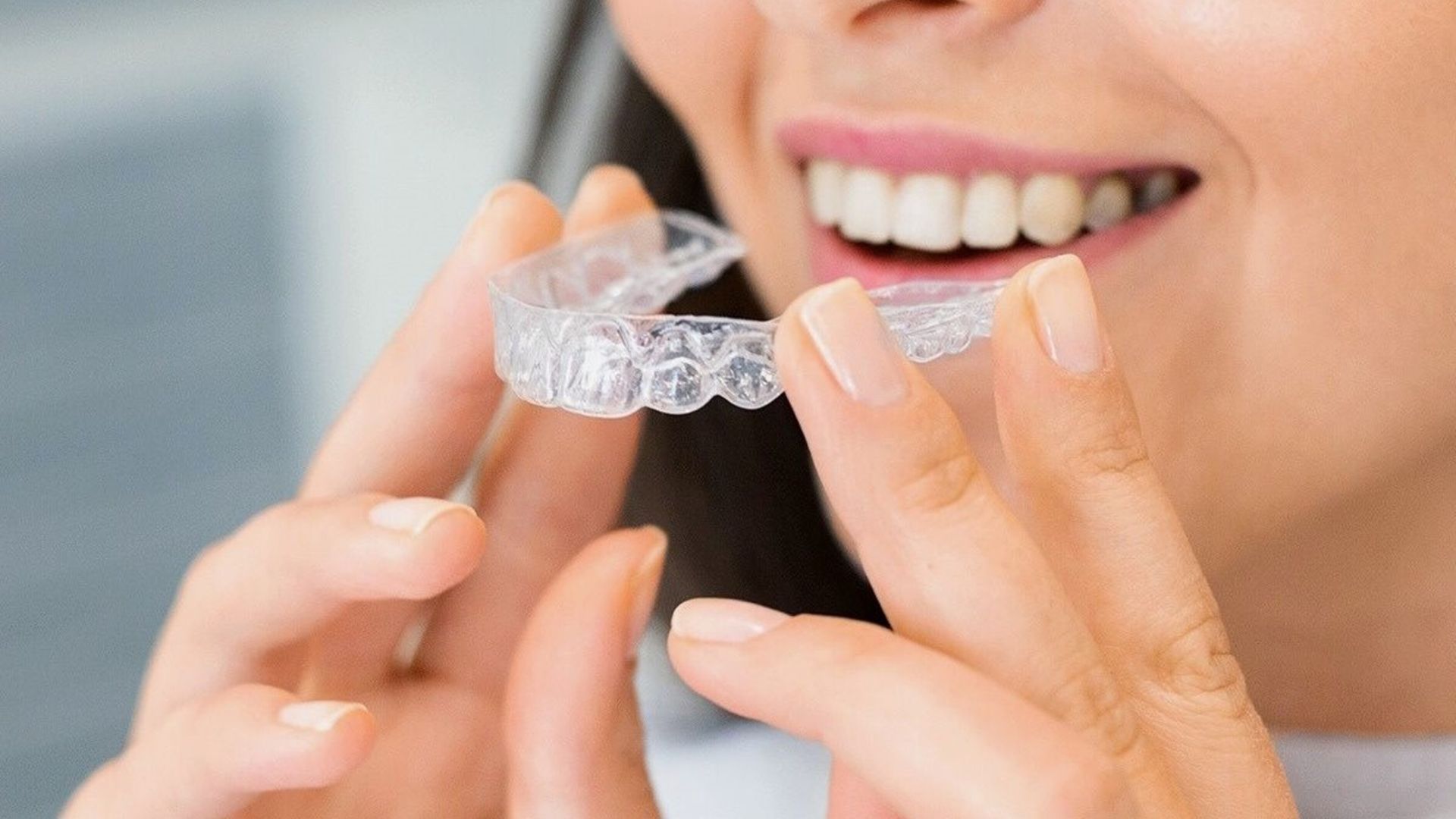
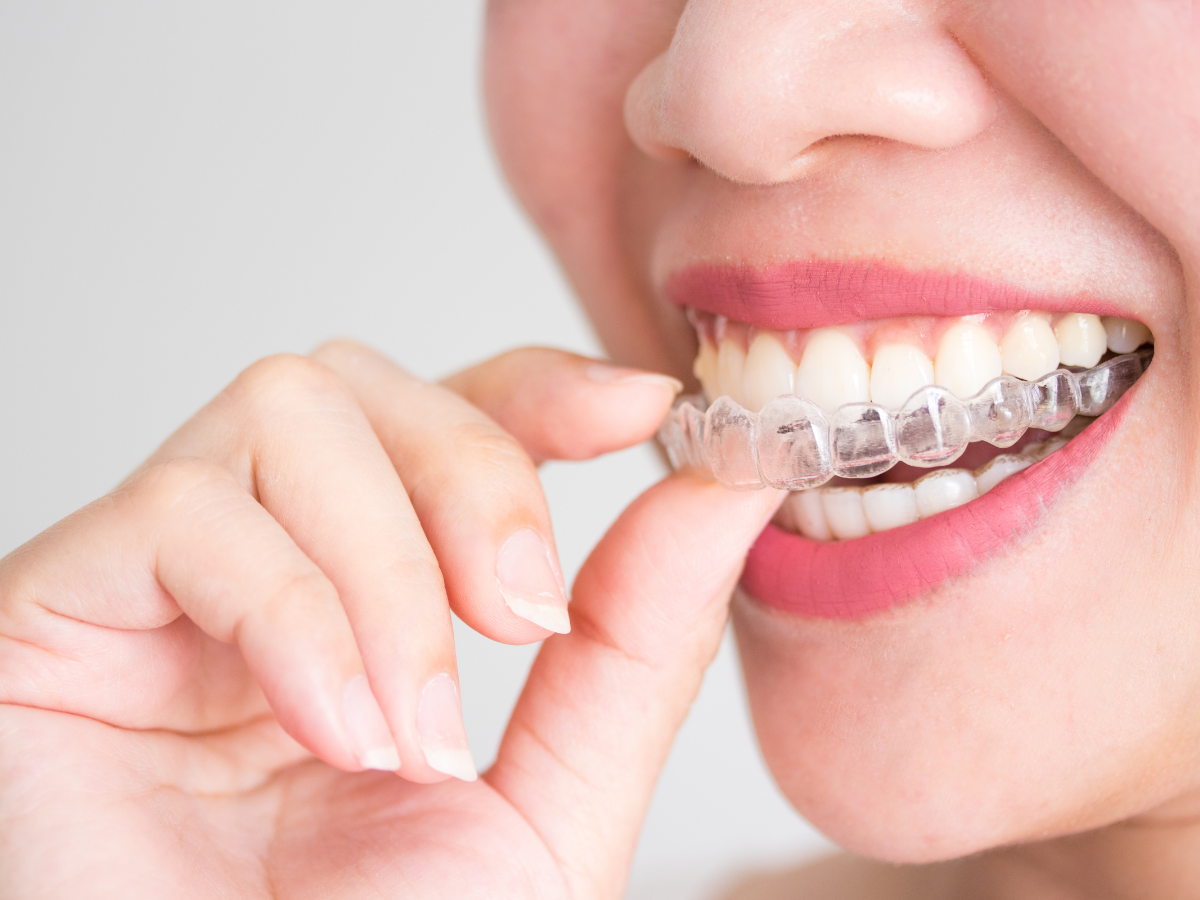
Invisalign attachments are the small tooth-colored bumps that make complex tooth movements possible — and most patients wearing them barely notice they're there. This guide covers what attachments do, why your plan may or may not include them, how they're placed and removed, and what to look for in a San Diego provider who handles attachment-heavy cases.
Invisalign attachments are small, tooth-colored composite bumps bonded to specific teeth so aligners can grip and apply controlled force. They're used for complex movements like rotations, extrusions, intrusions, and bite corrections. Not every tooth gets one — a digital ClinCheck plan determines exactly which teeth need them and why.
Quick Answer Short version: those bumps are tiny composite grips that let clear aligners rotate, lift, and reposition teeth that simple aligner pressure can't move on its own. They're placed only where your treatment plan actually needs them — not on every tooth.
Key Takeaways
- Attachments are tooth-colored composite bumps — not decorative, and not a mistake in your smile design
- They give aligners the grip needed for rotations, extrusions, intrusions, and bite corrections
- Not every case, or every tooth, needs attachments — ClinCheck software decides based on the treatment plan
- Placement and removal are both quick and painless, with no damage to the enamel underneath
- Provider experience matters most for attachment-heavy cases involving rotation, bite correction, or significant crowding
Introduction
If you've started Invisalign in San Diego and noticed small, tooth-colored bumps bonded to some of your teeth, you're not imagining things — and you don't need to worry. Those bumps are called Invisalign attachments, and they're one of the most important (and most misunderstood) parts of modern clear aligner treatment. If you're still weighing your options, our
Invisalign treatment in San Diego page walks through what a typical plan looks like.
Patients researching Invisalign providers in San Diego tend to ask the same question during their first few weeks: "What are these little tabs on my teeth, and why didn't anyone tell me about them?" Here's exactly what attachments are, why your San Diego dentist added them to your plan, and what to expect while you wear them.
What Are Invisalign Attachments?
Invisalign attachments — sometimes called
SmartForce attachments — are small, tooth-colored composite bumps that your dentist or orthodontist bonds directly onto specific teeth. They are not decorative and they are not a mistake in your smile design. Each one is precisely shaped and placed to give your clear aligners something to "grip," so the aligner can apply controlled, three-dimensional force to teeth that need more complex movement.
Think of attachments as the equivalent of brackets in traditional braces, but far less visible. Metal or ceramic brackets sit on the tooth surface for the whole treatment; Invisalign attachments are subtle, tooth-colored, and used only where they're actually needed — not on every tooth.
Why Do Some Teeth Need Attachments and Others Don't?
Not every case requires attachments, and not every tooth in a case that does require them will get one. Your provider uses ClinCheck software to map out every planned tooth movement before treatment begins. At Diamond Dental Studio, that planning starts with an iTero Element 3D digital scan of your teeth — no messy impressions — which feeds the custom plan your dentist builds. During that digital process, the software sorts the simple movements (aligners alone can handle them) from the more complex ones.
Attachments are typically added for:
- Rotations of rounded teeth like canines and premolars, which are naturally hard for aligners to grip
- Extrusions, where a tooth needs to be pulled downward or upward into better alignment
- Intrusions, where a tooth needs to be pushed slightly into the gum line
- Root movements, which require sustained, targeted pressure over time
- Bite corrections, including certain overbite or underbite adjustments
If your plan only involves minor spacing or crowding fixes, you may go through Invisalign with few or no attachments at all. More complex cases — especially those correcting rotation, bite alignment, or significant crowding — almost always involve attachments on multiple teeth.
How Are Attachments Placed?
Attachment placement is quick and painless. Your dentist will:
- Use a template tray (created from your digital treatment plan) to mark exact placement
- Lightly etch the tooth surface and apply a bonding agent
- Place the composite material and shape it precisely
- Cure it with a special light so it hardens in place
The whole process usually takes less than 30 minutes, even when several attachments go on in one visit.
Do Invisalign Attachments Hurt or Feel Weird?
Most patients report mild sensitivity to their tongue for the first day or two — similar to the feeling of having new dental work — but no real pain. Because attachments are tooth-colored and relatively small, they're far less noticeable than people expect, and most patients say others don't spot them at all in everyday conversation.
Some patients do notice attachments create slightly more friction when inserting or removing aligners, especially early on. That's normal, and it eases as you get used to the routine.
Caring for Your Teeth With Attachments
Because attachments add surface area to your teeth, a little extra care goes a long way:
- Brush thoroughly around each attachment, not just over it, to prevent plaque buildup
- Use interdental brushes or a water flosser if attachments make traditional flossing harder
- Avoid staining foods and drinks where you can, since composite attachments can pick up discoloration over time
- Bring your aligner case everywhere so attachments and aligners aren't damaged when you take aligners out to eat
Your dentist will check attachment condition at each progress appointment and rebond any that come loose.
What Happens When Attachments Come Off?
At the end of treatment — or once a specific tooth movement is finished — attachments are removed. It's a simple, painless process: a dental instrument gently buffs away the composite, then the tooth is polished back to its natural smooth surface. There's no damage to the enamel underneath.
Finding the Right Invisalign Provider in San Diego
Not all Invisalign providers have the same experience with attachment-based treatment planning. Because attachments manage the more complex movements, working with an experienced Invisalign San Diego dentist matters — particularly for cases involving bite correction, rotation, or significant misalignment.
When you're researching clear aligner treatment in San Diego, it's worth asking a provider:
- How many Invisalign cases have they completed, and at what complexity level?
- Do they hold Invisalign Diamond, Platinum, or top-tier provider status?
- Will they walk you through your digital ClinCheck plan, including where attachments will go?
- What's their protocol for rebonding attachments that come loose?
A provider who can answer these clearly is more likely to deliver predictable, on-schedule results.