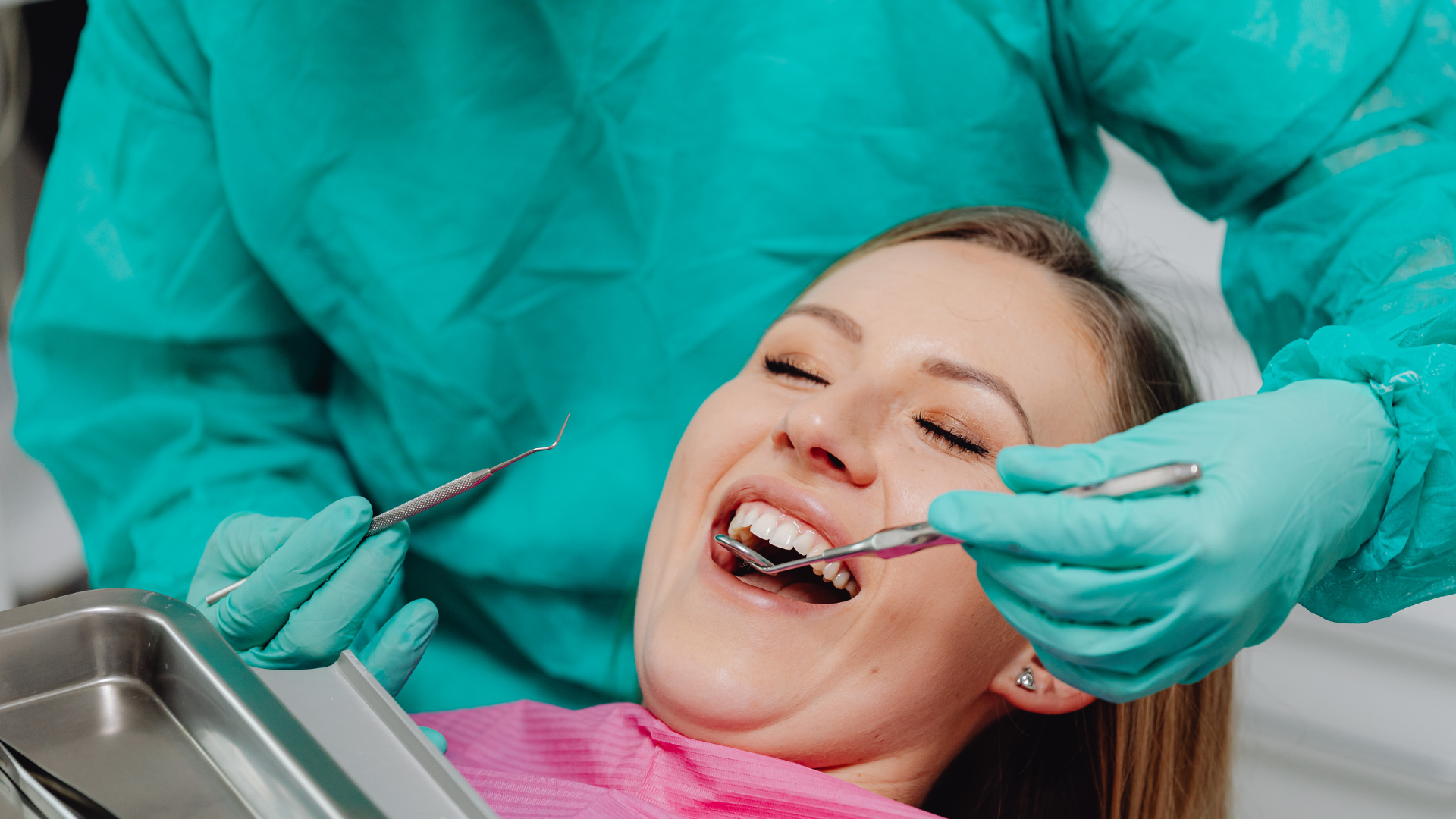

Sensitive Teeth? How to Get Teeth Whitening in San Diego Without the Pain
Sensitive teeth don't have to rule out whitening. Most whitening sensitivity is temporary, and a dentist can reduce it by fixing exposed roots or leaky fillings first, choosing a gentler gel, applying a desensitizer beforehand, and pacing your sessions, which is far harder to do with a one-size store kit.
Yes, you can whiten sensitive teeth, and the sensitivity whitening causes is usually temporary, coming from peroxide irritating the nerve through microscopic channels in the tooth. A dentist can lower the risk by treating exposed roots or decay first, choosing a gentler gel strength, using a desensitizing gel beforehand, and spacing out sessions.
Quick Answer: Get an exam before you whiten. Then let your dentist set the gel strength, wear time, and desensitizer instead of guessing with a drugstore kit.
Key Takeaways
- Temporary sensitivity and gum irritation are the most common side effects of peroxide whitening, and they usually fade within a day or two after you stop.
- Receding gums, cavities, worn enamel, and old fillings can worsen whitening sensitivity, so they should be checked and treated first.
- In a 2025 clinical trial, a desensitizing gel applied before at-home whitening cut the share of patients reporting sensitivity from 87.5% to 37.5%.
- Lower-strength gel in custom trays, worn on a schedule your dentist sets, is usually the gentlest route for sensitive teeth.
A Brighter Smile Shouldn't Come With a Wince
Many people who ask me about teeth whitening in San Diego start with the same worry: "I tried strips once and my teeth hurt for days." That experience is common, and it usually says more about the product and the prep than about whether your teeth can be whitened.
Between morning coffee, iced tea, and the occasional glass of Baja red, most of us collect some staining. The good news is that you can usually whiten sensitive teeth comfortably once you know what's causing the sensitivity and plan around it.
Why Does Teeth Whitening Make Teeth Sensitive?
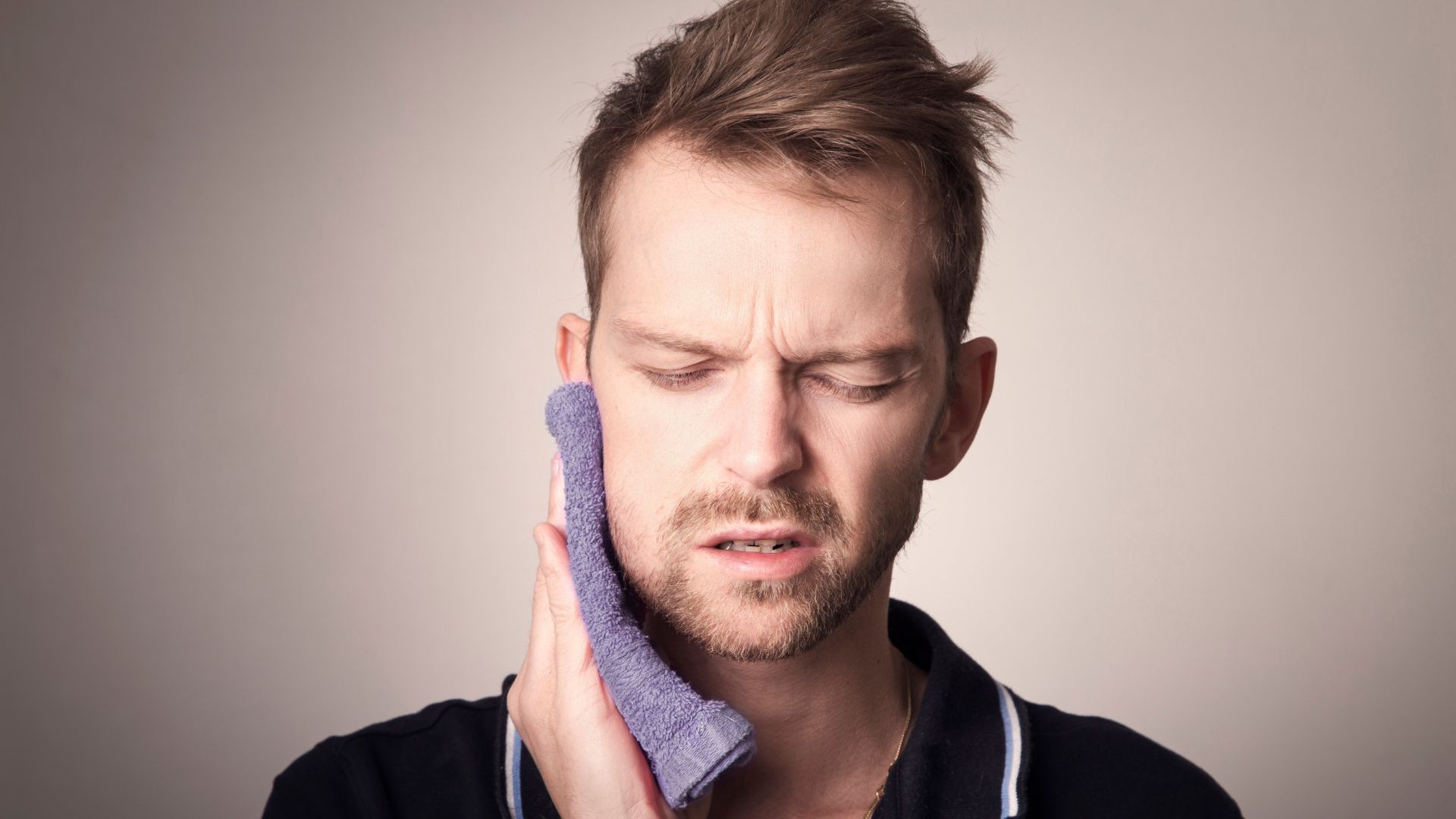
Whitening gels use hydrogen peroxide or carbamide peroxide, which break down stains inside the tooth. Along the way, the peroxide can reach the pulp through tiny dentinal tubules and irritate the nerve, causing short, sharp twinges that usually stop once treatment ends.
The American Dental Association's oral health guidance on whitening lists tooth sensitivity and gum irritation as the most common side effects of peroxide whitening. A review in the British Dental Journal found that between 15% and 78% of patients report some sensitivity during external bleaching, a range that reflects how much the gel, the technique, and the patient's teeth vary.
The reassuring part is that it's typically short-lived. A review in the Journal of the Canadian Dental Association noted that bleaching sensitivity generally lasted up to 24 to 48 hours after treatment stopped, with no lasting nerve damage linked to home bleaching at the recommended strength.
Who Should Get Checked Before Whitening?
Anyone whose teeth are already sensitive should have an exam before whitening, because the peroxide finds every weak spot. Exposed roots, cavities, cracks, worn enamel, and leaky fillings all give the gel a faster path to the nerve, and treating them first is often the difference between mild and miserable.
A systematic review on in-office bleaching points to faulty restorations, gum recession, and defects where the enamel meets the root as triggers for severe post-whitening sensitivity. Before you whiten, it's worth checking for:
- Gum recession that leaves root surfaces exposed, since roots have no enamel covering them.
- Cavities or cracked teeth, which should be repaired first.
- Enamel worn thin from grinding, clenching, or acidic drinks.
- Old fillings with gaps at the edges.
- Gum disease, which Cedars-Sinai lists among the conditions that make someone a poor candidate until it's treated.
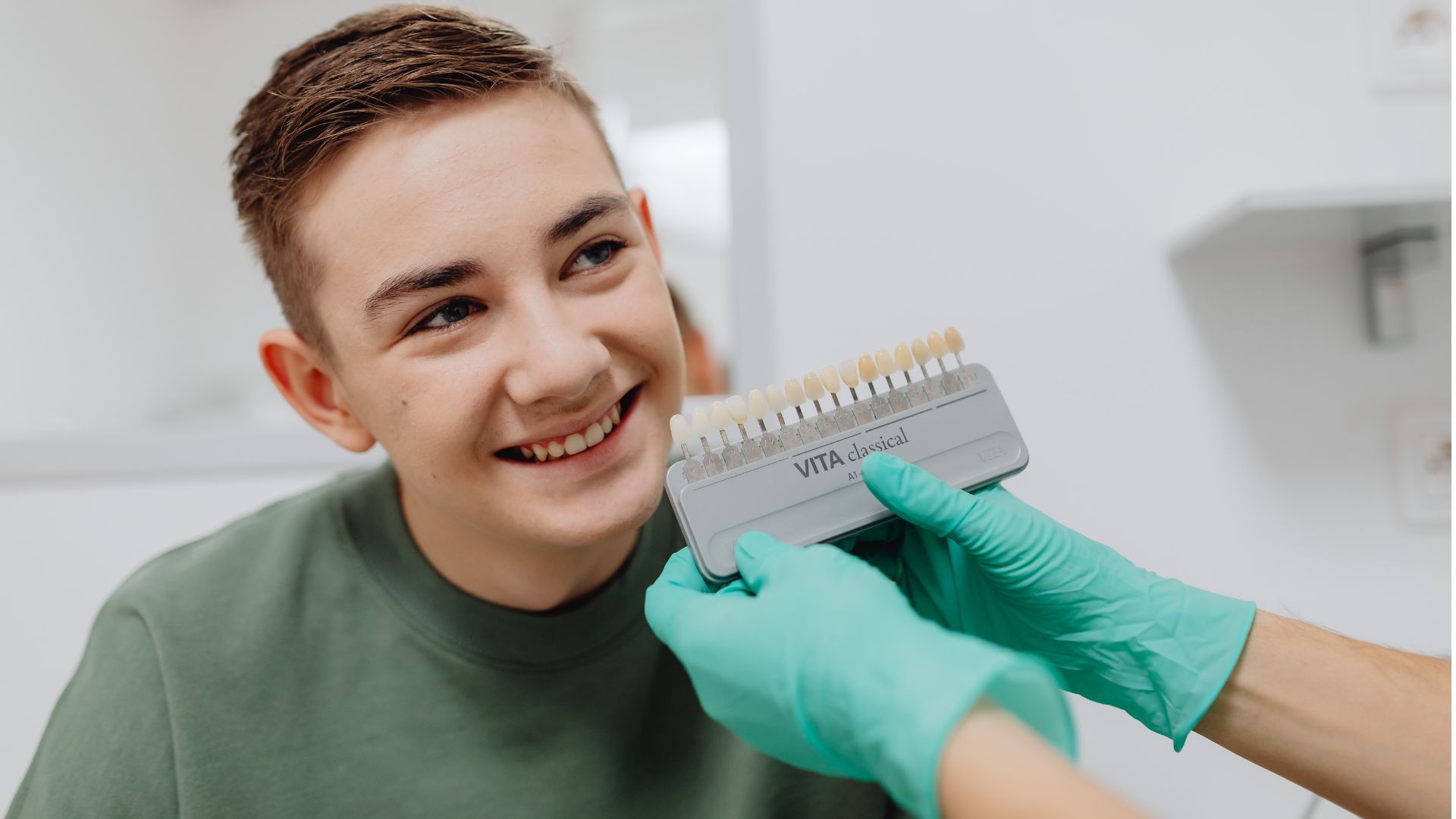
One more thing to know: crowns, veneers, and tooth-colored fillings don't change color with whitening. If you have visible restorations on your front teeth, plan your shade with your dentist so nothing ends up mismatched.
How Can a Dentist Make Whitening More Comfortable?
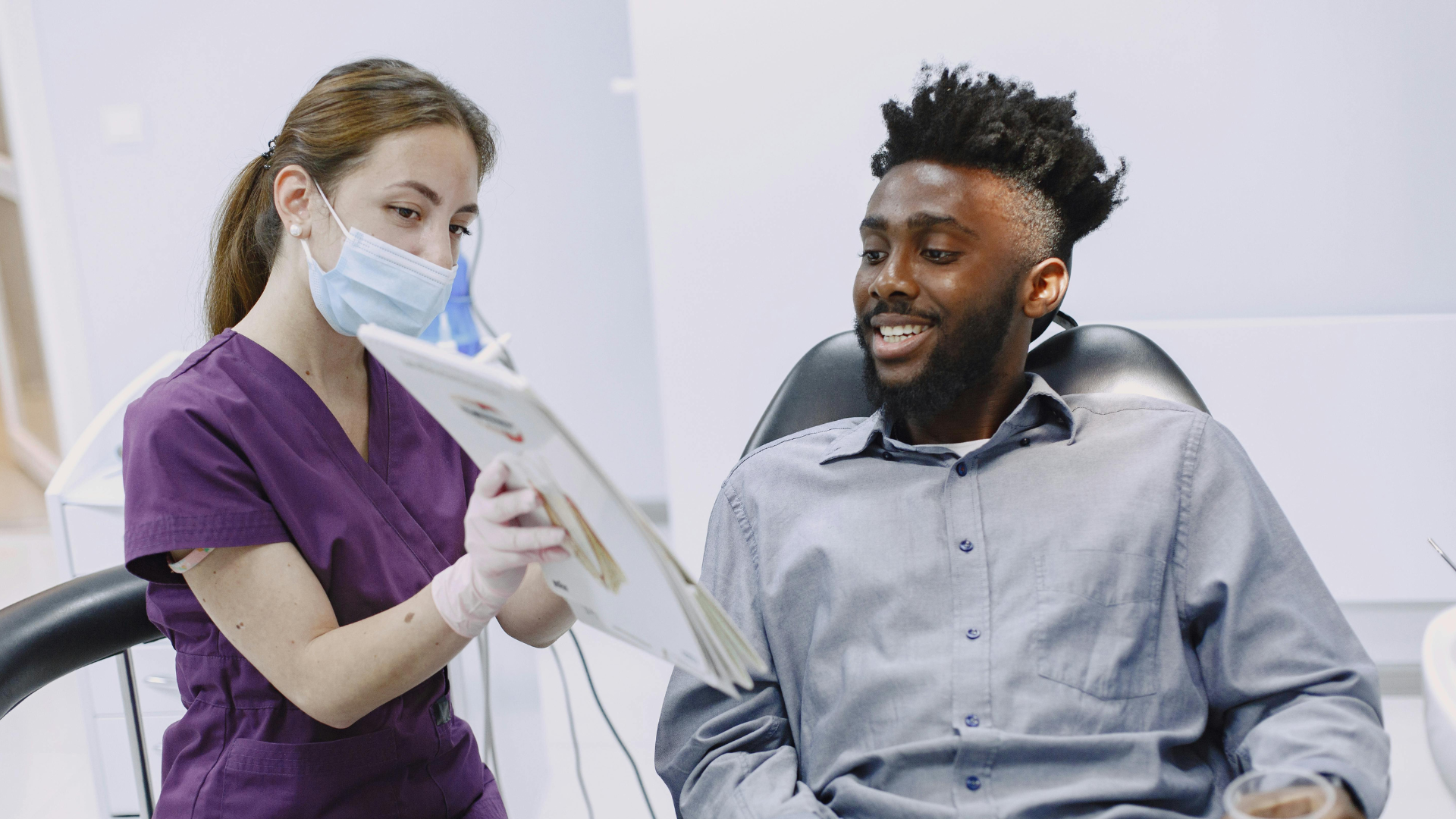
A dentist can adjust nearly every variable that drives sensitivity: the gel's strength, how long it stays on, how well it's kept off your gums, and whether a desensitizer goes on first. Store kits fix those settings in advance, while a supervised plan can change them as soon as your teeth react.
These are the adjustments that make the biggest difference:
- Fix the weak spots first. Sealing exposed roots or replacing a leaky filling before whitening removes the easiest path to the nerve.
- Use a lower-strength gel for longer. Gentler concentrations worn over more days usually reach a similar shade with less discomfort than one high-strength session.
- Apply a desensitizer beforehand. In a 2025 triple-blind trial in the Journal of Evidence-Based Dental Practice, applying a potassium nitrate and fluoride gel 30 minutes before at-home whitening lowered sensitivity from 87.5% of patients to 37.5%, without reducing how white the teeth got.
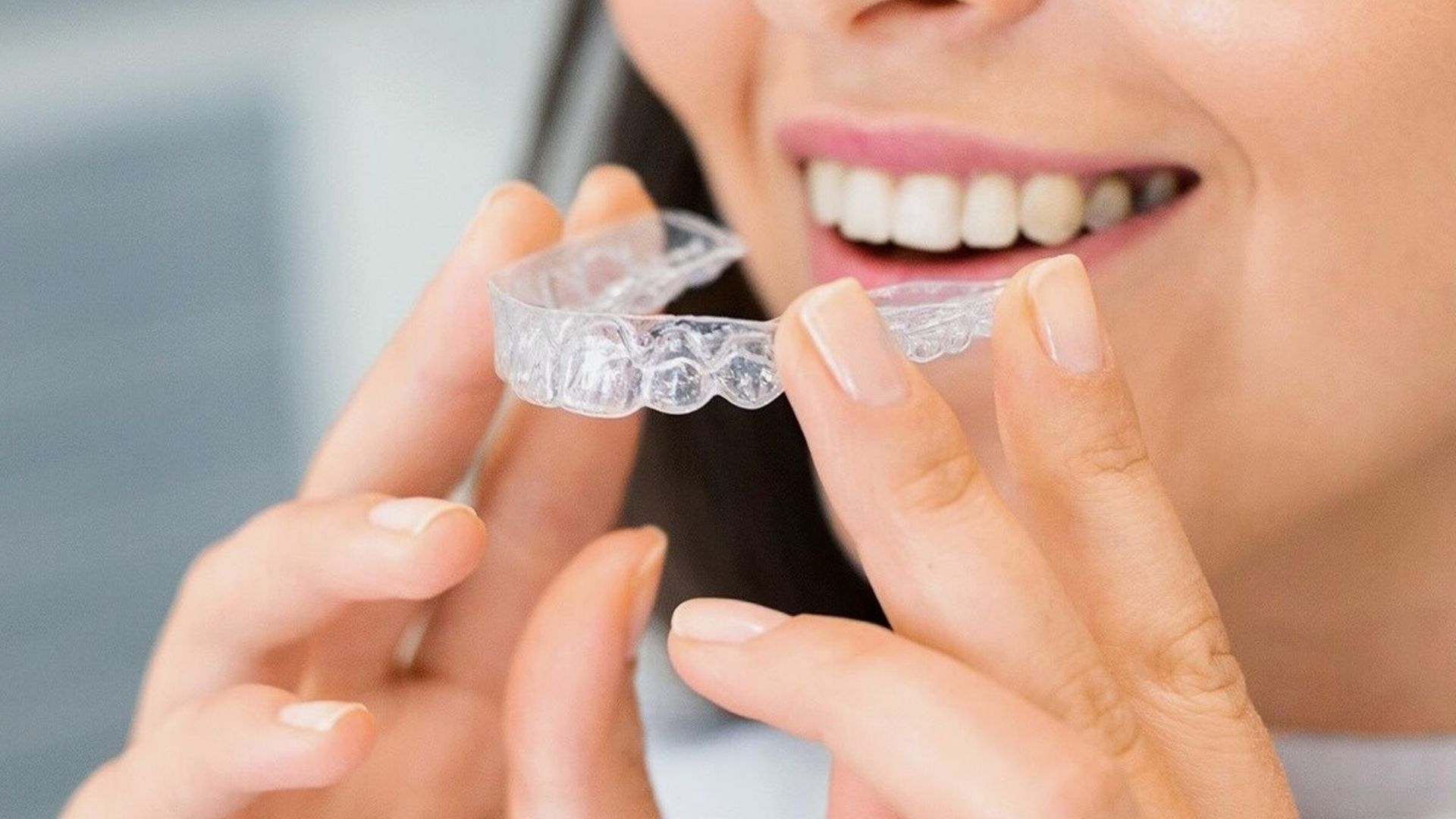
- Wear custom trays. Trays made from impressions of your teeth hold the gel where it belongs, so less of it seeps onto gums.
- Pace the sessions. Skipping a day or shortening wear time when twinges start lets the teeth settle without losing progress.
That trial was small, with 32 patients, so it's one encouraging data point rather than a guarantee. It matches what I see in practice, though: preparation matters more than the brand of gel.
In-Office or Take-Home: Which Is Better for Sensitive Teeth?
Both can work for sensitive teeth, and the right choice depends on your timeline and how reactive your teeth are. Take-home trays use a lower-strength gel over a couple of weeks, which is often gentler, while in-office whitening uses a stronger gel for faster results under direct supervision.
At our office, patients can choose in-office whitening, custom take-home trays, or a combination. Here's how they compare when sensitivity is the main concern:
| Factor | In-office whitening | Custom take-home trays |
|---|---|---|
| Gel strength | Higher | Lower |
| Time to results | One appointment | About two weeks |
| Control over pacing | Set by the dentist in the chair | You can pause or shorten wear time |
| Gum protection | Barrier applied by the dental team | Trays shaped to your teeth |
| Best fit for | An event coming up soon, mild sensitivity | Sensitive teeth, flexible timeline |
For patients with very reactive teeth, I usually start with trays. If you'd like to see results from our whitening patients, our earlier post on why patients choose professional whitening at Diamond Dental covers that side.
Why Are Store-Bought Whitening Kits Harder on Sensitive Teeth?
Store kits aren't designed around your mouth. One-size strips and trays can leak gel onto your gums; there's no exam to catch exposed roots or cavities beforehand, and most people respond to sensitivity by pushing through it, which is the opposite of what helps.
A review of over-the-counter bleaching products summarized by ADA News found that tooth sensitivity, gum irritation, and enamel surface changes were the most frequently reported side effects. A quick exam before you whiten can catch problems that turn mild twinges into a week of avoiding cold water.
What Should You Do If Your Teeth Get Sensitive While Whitening?
Pause treatment for a day or two, switch to a toothpaste made for sensitive teeth, and avoid very hot or cold food and drinks until the twinges settle. If sensitivity lasts more than a couple of days after you stop, or if one tooth hurts more than the rest, call your dentist.
- Brush with a sensitivity toothpaste containing potassium nitrate or stannous fluoride.
- Shorten your tray wear time or skip a session rather than stopping altogether.
- Drink cold or hot beverages through a straw for a few days.
- Call us if one tooth stands out, because that can point to a crack or cavity that needs attention.
Frequently Asked Questions
Can you whiten teeth if you have sensitive teeth?
Yes, in most cases. Have a dental exam first to find and treat causes like exposed roots or leaky fillings, then use a gentler, dentist-guided plan such as lower-strength gel in custom trays with a desensitizer applied beforehand.
How long does sensitivity last after teeth whitening?
For most people, whitening sensitivity fades within 24 to 48 hours after treatment stops. If it lasts longer, or a single tooth hurts noticeably more than the others, see your dentist to rule out a cavity, crack, or other problem.
Is in-office or at-home whitening better for sensitive teeth?
Custom take-home trays are often gentler because they use a lower-strength gel over about two weeks and let you pause when needed. In-office whitening is faster and can still work for sensitive teeth, especially when a desensitizer is applied first.
Does sensitivity toothpaste help with whitening sensitivity?
It can. Toothpastes with potassium nitrate or stannous fluoride calm sensitive nerves over time, so starting one a week or two before whitening and continuing during treatment may make the process more comfortable. Ask your dentist which one fits your teeth.
How much does teeth whitening cost in San Diego?
Cost depends on whether you choose in-office whitening, custom take-home trays, or both, and on whether any dental work is needed first. Ask the office for a written estimate after your exam so you know the full price before starting.
Does teeth whitening damage enamel?
Dentist-supervised whitening at recommended strengths is considered safe for healthy enamel, and the ADA lists temporary sensitivity and gum irritation as its most common side effects. Overusing high-strength or abrasive store products carries more risk, which is one reason supervision matters.
The Dentist Behind This Guide
Dr. Faith-Roselle Barreyro, DMD, known to patients as Dr. Faith, is a general and cosmetic dentist at Diamond Dental Studio in San Diego. A San Diego native, she earned her Bachelor of Science in Chemistry from the University of California, San Diego, and her Doctor of Dental Medicine from A.T. Still University's Arizona School of Dentistry and Oral Health.
She is a graduate of the Kois Center, where she trained in comprehensive, evidence-based, and aesthetic dentistry, and an active member of the American Academy of Facial Esthetics, the American Dental Association, the California Dental Association, the San Diego County Dental Society, the Academy of General Dentistry, and the American Academy of Clear Aligners.
Serving patients across UTC, Sorrento Valley, and the 92121 area from 5425 Oberlin Drive, Suite 101, San Diego.
Whiter Teeth, Planned Around Yours
Sensitive teeth need a plan, not a pass on whitening. An exam to catch weak spots, a gentler gel, a desensitizer beforehand, and sessions paced to how your teeth respond will get most people to a brighter shade without days of discomfort.
If you've been putting off whitening because of a bad experience with strips, let's talk it through. Call Diamond Dental Studio at (858) 546-0500 or book a whitening consultation online.
Disclaimer: The content provided in this blog is for informational purposes only and does not constitute professional medical or dental advice, diagnosis, or treatment. Always seek the advice of your dentist or other qualified health provider with any questions you may have regarding a dental condition. Reliance on any information provided in this post is solely at your own risk.
Recent Posts