Why Does Tooth Pain Always Get Worse at Night? (And What to Do Until You Can See a San Diego Emergency Dentist)

Share this article

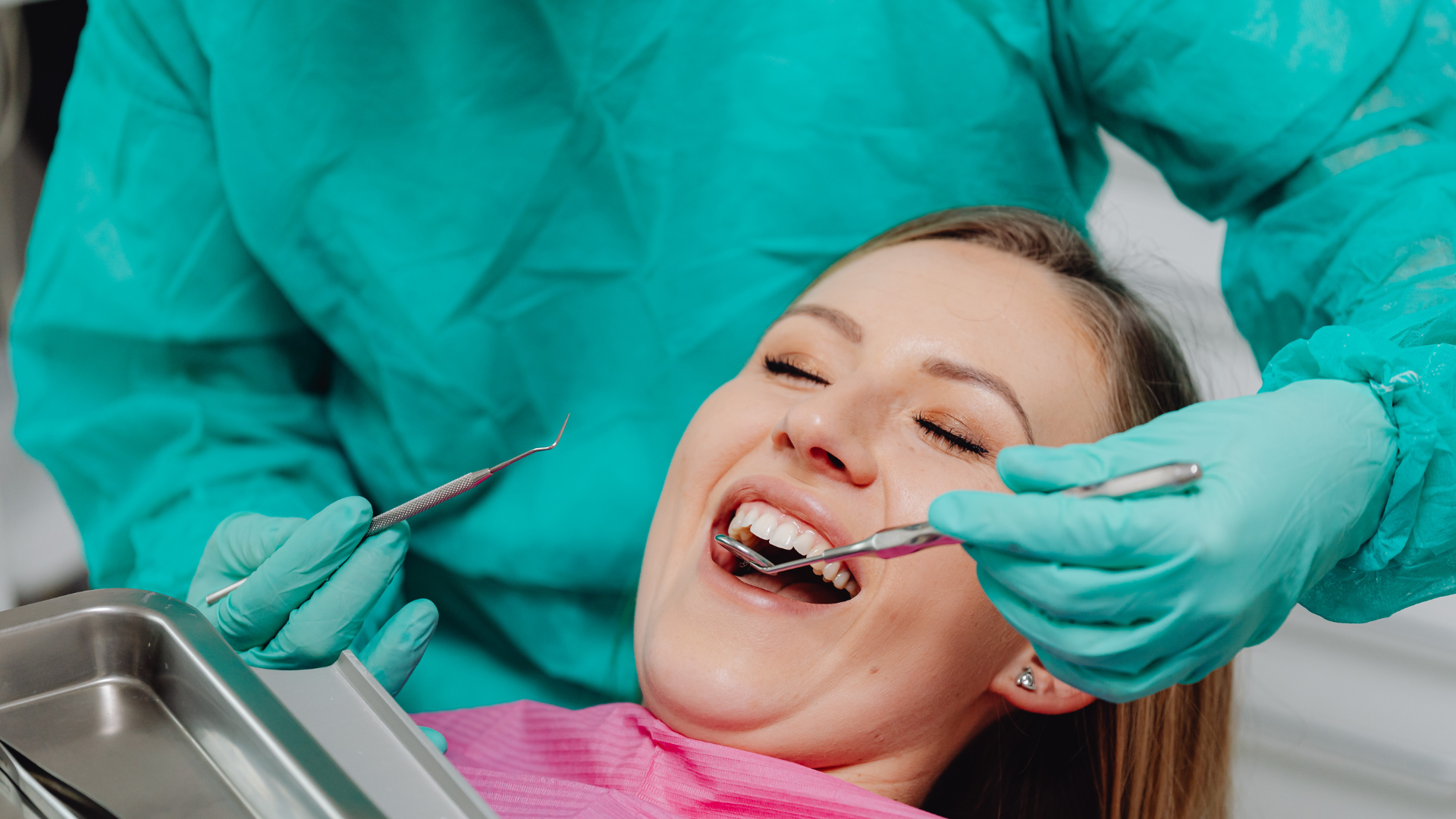
Woman smiling, looking at her teeth in a dental mirror in a dental office.

Tooth pain tends to spike at night because of increased blood flow when you lie down, a natural overnight drop in your body's anti-inflammatory hormone, fewer distractions, and habits like clenching. This guide explains each cause, the safe steps that can get you through until morning, and the warning signs — swelling, fever, trouble swallowing — that mean you shouldn't wait to see a San Diego emergency dentist.


Tooth pain often feels worse at night because lying down increases blood flow and pressure in the head, cortisol (a natural anti-inflammatory hormone) drops while you sleep, and fewer distractions leave your brain more focused on the pain signal. Teeth grinding and sinus pressure can further intensify the effect.


Quick Answer Short version: gravity, hormones, and quiet all work against you after dark — more blood pools in your head, your body's built-in inflammation control dips, and there's nothing left to distract you from the throb. Home care can take the edge off, but it won't fix the cause.


Key Takeaways


  • Lying down increases blood flow and pressure against an already inflamed or infected tooth
  • Cortisol, your body's natural anti-inflammatory, drops overnight, reducing your own pain control right when you need it
  • Fewer distractions at night mean your brain has less competition for its attention besides the pain
  • Warm salt water, an appropriate OTC pain reliever, and head elevation can help until you're seen
  • Facial swelling, fever, or difficulty swallowing are signs of a true emergency, not a wait-it-out situation


Introduction


It's 11 p.m., you're finally lying down, and suddenly your tooth pain feels ten times worse than it did at dinner. If this sounds familiar, you're not imagining it — nighttime tooth pain is a real, well-documented phenomenon, and it's one of the most common reasons people search for a San Diego emergency dentist in the middle of the night.

This article explains exactly why dental pain intensifies after dark, what you can safely do at home to manage it, and when it's time to stop waiting and find emergency dental care in San Diego.


Why Tooth Pain Gets Worse at Night


There isn't just one reason your tooth throbs more once the lights go out — it's usually a combination of physical and physiological factors working against you at the same time.


Blood Flow Increases When You Lie Down


When you're upright during the day, gravity helps blood flow away from your head. Once you lie flat, more blood pools in your head and face, increasing pressure inside an already inflamed or infected tooth. That added pressure on sensitive nerve endings is a major reason toothaches feel sharper at night.


Fewer Distractions Mean More Awareness


During the day, work, conversation, and movement all compete for your brain's attention. At night, with fewer sensory inputs competing for focus, your brain has little else to process besides the pain signal coming from your tooth, making it feel more intense even if the underlying inflammation hasn't changed.


Cortisol Levels Drop While You Sleep


Cortisol is a natural anti-inflammatory hormone your body produces more of during the day. Levels drop significantly at night, which means your body has less natural inflammation control working in your favor right when you're trying to fall asleep — a key reason dental abscess pain and general tooth infections often flare after dark.


Teeth Grinding and Jaw Clenching


Many people unconsciously grind or clench their teeth while sleeping, a condition called bruxism. This added pressure can aggravate an already sensitive or cracked tooth, turning mild daytime discomfort into significant nighttime pain.


Flat Changes Sinus Pressure


If your tooth pain is related to sinus congestion — common with upper back teeth — lying down can shift sinus pressure directly onto the roots of your upper molars, intensifying pain that barely registered while you were sitting up.


What to Do Until You Can See an Emergency Dentist


While you wait for daytime hours or an available emergency dentist near you, there are safe steps you can take to manage pain and protect the tooth.


  • Rinse with warm salt water. Mix about half a teaspoon of salt into a cup of warm water and swish gently to reduce bacteria and mild inflammation.
  • Take an appropriate over-the-counter pain reliever. Ibuprofen is often more effective than acetaminophen for dental pain because it directly targets inflammation. Always follow package dosing, and check with a pharmacist if you take other medications.
  • Elevate your head while sleeping. Propping yourself up with an extra pillow can reduce throbbing since it counters the blood-flow increase that comes with lying flat.
  • Apply a cold compress. Hold it against the outside of your cheek, near the painful tooth, for 15–20 minutes at a time to help numb the area and reduce swelling.
  • Avoid hot, cold, sugary, or hard foods. Stick to lukewarm, soft foods until you're seen.
  • Never apply aspirin directly to the tooth or gum. This is a common home remedy myth — aspirin is acidic and can burn gum tissue if placed topically rather than swallowed as directed.


Signs You Need Emergency Dental Care Right Away


While some tooth pain can wait until a regular dental appointment, certain symptoms mean you should contact a same-day emergency dentist in San Diego as soon as possible:


  • Facial swelling, especially if it's spreading toward your eye or neck
  • Fever accompanying tooth or gum pain
  • Severe, throbbing pain that isn't relieved by over-the-counter medication
  • A knocked-out or fractured tooth from an injury
  • Pus or a visible bump near the tooth (a possible dental abscess)
  • Difficulty swallowing or breathing, which can indicate a spreading infection and requires urgent medical attention


Facial swelling combined with fever and difficulty swallowing can signal a rapidly spreading infection and


should be treated as a true dental emergency — head to an emergency room or urgent walk-in emergency dentist immediately rather than waiting for a next-day appointment.


What Happens During an Emergency Dental Visit


An emergency dentist in San Diego will typically start with a focused exam and, if needed, dental X-rays to identify the source of pain — whether it's decay reaching the nerve, a cracked tooth, an abscess, or an issue with a previous filling or crown. Depending on the cause, treatment might include:


  • Draining an abscess and prescribing antibiotics
  • Performing an emergency root canal to relieve nerve pain
  • Extracting a severely damaged or infected tooth
  • Placing a temporary filling or crown to protect a cracked tooth
  • Adjusting a bite issue contributing to nighttime clenching pain


The goal of an emergency visit is always the same: stop the pain and prevent the underlying problem from getting worse.

Frequently Asked Questions

  • Why does my tooth only hurt when I lie down?

    Increased blood flow to the head, along with pressure changes and reduced natural cortisol at night, can make an already inflamed or infected tooth feel significantly more painful when you're lying flat.


  • Will I need attachments for my entire treatment?

    Not necessarily. Some attachments are removed partway through treatment once their specific tooth movement is complete, while others stay until the end.


  • Is it normal for tooth pain to come and go?

    Intermittent pain can still indicate an underlying problem like a cavity, cracked tooth, or early infection, and should be evaluated even if it isn't constant.


  • Can a toothache go away on its own?

    Pain may temporarily subside, but the underlying cause — decay, infection, or a crack — rarely resolves without treatment, and delaying care can allow the problem to worsen.


  • How fast can I be seen by an emergency dentist in San Diego?

    Many emergency dental practices offer same-day or walk-in appointments specifically for urgent pain, swelling, or dental trauma.


  • Should I go to the ER or an emergency dentist?

    For facial swelling, difficulty breathing or swallowing, or high fever, go to an emergency room immediately. For severe pain without those symptoms, a same-day emergency dentist visit is usually the right choice.


About the Practitioner


Dr. Faith-Roselle Barreyro, DMD — known to her patients simply as Dr. Faith — leads Diamond Dental Studio in San Diego, where the team keeps same-day appointments open for patients in urgent pain. A San Diego native, she earned her Bachelor of Science in Chemistry from UC San Diego and her Doctor of Dental Medicine from A.T. Still University's Arizona School of Dentistry and Oral Health.


She's a graduate of the renowned Kois Center — known for its comprehensive, evidence-based approach to dentistry — and an active member of the American Dental Association, the California Dental Association, the San Diego County Dental Society, and the Academy of General Dentistry.


Her philosophy is straightforward: comfort and trust come first. That matters most when someone walks in scared and in pain — the goal is always to stop the hurt, explain what's happening, and get them back to comfortable as quickly and gently as possible.


Local Signal: Serving the San Diego community from Diamond Dental Studio on Oberlin Drive.


Conclusion & Conversion


The Bottom Line


Nighttime tooth pain has real physiological causes — increased blood flow, dropping cortisol, and fewer distractions all combine to make dental pain feel worse after dark. While simple home care can help you get through the night, it isn't a substitute for treatment. If your pain is severe, worsening, or accompanied by swelling or fever, contacting a San Diego emergency dentist as soon as possible is the safest way to protect both your tooth and your overall health.


Schedule your consultation — or call Diamond Dental Studio at (858) 546-0500 if you're in acute pain — and Dr. Faith and her team will work to see you the same day.

Woman in white coat, surrounded by snapshots, on blue background.

Disclaimer: The content provided in this blog is for informational purposes only and does not constitute professional medical or dental advice, diagnosis, or treatment. Always seek the advice of your dentist or other qualified health provider with any questions you may have regarding a dental condition. Reliance on any information provided in this post is solely at your own risk.

Recent Posts

Dentist using tools to work on a smiling patient in a dental chair
October 20, 2026
Worried whitening will hurt? Learn why sensitivity happens and how Diamond Dental can plan teeth whitening in San Diego around sensitive teeth.
Dentist in white coat holding a tooth model and dental tool on a blue background
October 20, 2026
Most well-run San Diego practices have strong star ratings, so the rating alone won't separate them. The seven questions below test what reviews can't show: who treats you over time, how thorough the first exam is, whether treatment advice is ranked and transparent, and what happens after the appointment. The best dentist in San Diego for you gives clear, specific answers before you book: who will treat you at each visit, what the first exam covers, which problems are urgent and which can wait, and how follow-up care works. Star ratings can build your shortlist, but those answers make the choice. Quick Answer: Use reviews to narrow the field to two or three offices, then call each one with the questions in this guide. Book with the practice whose answers are specific, unhurried, and honest about what can wait. Key Takeaways Star ratings show how a visit felt, not whether the diagnosis or treatment plan was sound. A comprehensive first exam goes well beyond a cleaning: X-rays as needed, gum measurements, a cancer screening, and a bite check. Ask for your treatment plan in writing, ranked by urgency, with the option to monitor early problems. A dentist who explains their reasoning and admits when they refer out is usually worth booking. Five Stars, Dozens of Offices, One Decision Search for a dentist in San Diego and most offices on the first page will show ratings close to five stars, which tells you patients were broadly happy. It doesn't tell you how a practice examines, diagnoses, or plans treatment, and those factors decide your results ten years from now. I hear this from new patients at our office on Oberlin Drive almost every week: "Everyone had great reviews, so I picked the closest one." Sometimes that works out fine. Other times, it's how someone ends up with a long treatment plan they don't understand and aren't sure they need. This guide is the conversation I wish more people had before booking their first new-patient exam and cleaning . Why Aren't Star Ratings Enough to Find the Best Dentist in San Diego? Star ratings measure how patients felt about a visit, not whether the diagnosis was right or the treatment was necessary. Most patients can't judge clinical quality from the chair, so reviews mostly reflect friendliness, wait times, and billing, which matter but don't tell you how carefully a dentist examines and plans care. Reviews still carry weight. BrightLocal's 2026 Local Consumer Review Survey found that 97% of consumers read reviews for local businesses, and the share who always read them rose from 29% to 41% in one year. Authenticity is less of a guessing game than it used to be. Since October 2024, the Federal Trade Commission's rule on consumer reviews has banned fake and purchased reviews, including AI-generated ones, and lets the agency seek civil penalties against businesses that knowingly use them.  Even honest reviews have limits. Volume and recency say more than a perfect average , and here is what a rating can and can't show you:
Dentist in purple scrubs shows a tablet to a smiling patient in a dental chair
September 28, 2026
Wondering if your plan covers urgent care? Here's how dental insurance handles emergency visits, what you'll pay, and when to see an emergency dentist in San Diego.
Dental assistant smiling beside a patient in a clinic, both in scrubs and a bib-covered chair
September 28, 2026
New to town or overdue for a checkup? Use this 7-point checklist to compare dentists in San Diego and pick the right practice for your family with confidence.
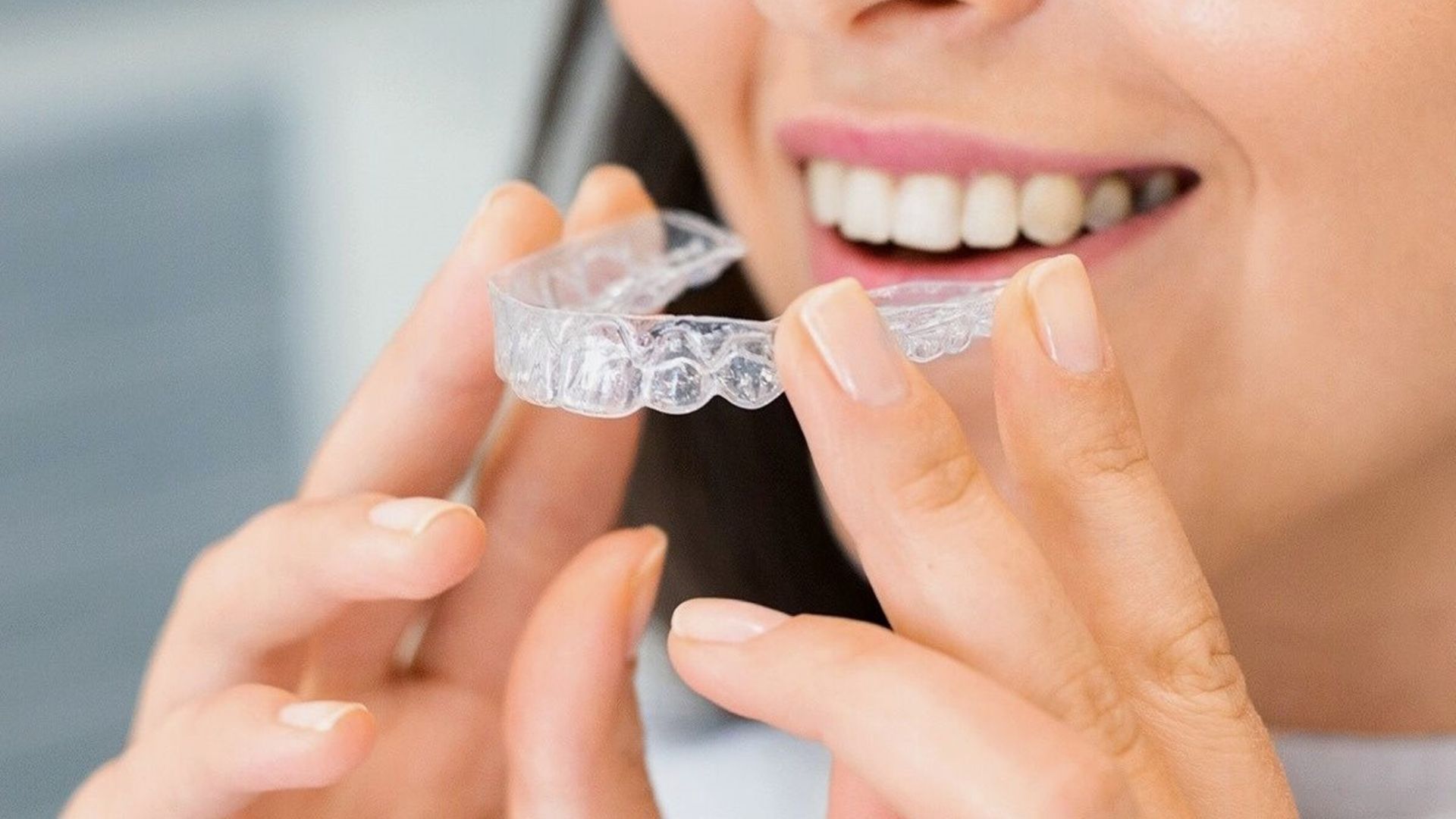
Person fitting a clear dental aligner to their teeth, smiling close-up
August 4, 2026
Wondering what those tooth-colored bumps on your teeth are? Learn what Invisalign attachments do and why your San Diego provider added them to your plan.
A smiling patient sits as gloved hands hold a dental shade guide near his teeth.
May 21, 2026
Ready to transform your smile without losing your natural look? Discover premium veneers, teeth whitening, and dental implants in San Diego from a team that listens.
Dentist in white coat and blue gloves holding a toothbrush and dental tool against a blue background
May 21, 2026
Worried about an expensive or aggressive dental recommendation? Learn how to spot red flags, understand your diagnosis, and find a trustworthy dentist in San Diego
Dental patient in pink bib smiling with a dental mirror during an exam
May 13, 2026
Looking for teeth whitening in San Diego? Learn why patients choose Diamond Dental for safe, effective, and professional whitening treatments with lasting results.
A dentist wearing a blue uniform, mask, and gloves examines a patient's teeth in a clinical setting.
April 17, 2026
Looking for the best cosmetic dentistry in San Diego? Discover how Dr. Faith and Diamond Dental Studio combine high-tech treatments with a comfortable, VIP experience to transform your smile. Book your consultation today!
Woman in pink bib smiles while looking at her teeth in a hand mirror at a dental office.
March 5, 2026
Transform your smile with expert cosmetic dentistry in San Diego. Invisalign, whitening, veneers & personalized plans for a confident, radiant smile.
Show More