San Diego, a city known for its beautiful beaches, vibrant culture, and innovative spirit, is also a hub for advanced dental care. Among the many aesthetic and functional concerns that bring patients to the dentist, misaligned bites – specifically overbites and underbites – are among the most common. While many associate
Invisalign in San Diego with simply straightening crooked teeth, the reality is far more comprehensive. At Diamond Dental Studio, we frequently encounter patients who wonder whether this clear aligner system can truly address more complex bite issues. The answer, in many cases, is a resounding yes, and understanding how it works can be a game-changer for your oral health and confidence.
The Nuances of Malocclusion: Overbites and Underbites Explained
Before diving into how Invisalign can help, let's first understand what we mean by overbites and underbites. These conditions, collectively known as malocclusions, refer to misalignments of the upper and lower jaws when your mouth is closed.
- Overbite (Class II Malocclusion): This occurs when your upper front teeth significantly overlap your lower front teeth. While a slight overlap is normal and healthy, a severe overbite can lead to various problems. Imagine the upper jaw and teeth protruding too far forward, sometimes even covering the majority of the lower teeth.
- Underbite (Class III Malocclusion): The opposite of an overbite, an underbite is characterized by the lower front teeth extending beyond the upper front teeth. Here, the lower jaw appears too far forward, making the lower teeth more prominent.
Both overbites and underbites are more than just cosmetic concerns. They can contribute to:
- Difficulty Chewing and Speaking: Misaligned bites can impede proper chewing function and even affect articulation.
- Excessive Wear on Teeth: Uneven pressure distribution can lead to premature wear and tear on certain teeth, potentially causing chips, cracks, or even tooth loss over time.
- Jaw Pain (TMJ Disorders): Strain on your temporomandibular joint (TMJ) from an improper bite can cause chronic jaw pain, headaches, and clicking or popping sounds.
- Gum Disease and Tooth Decay: Overlapped or crowded teeth are harder to clean, increasing the risk of plaque buildup, gum inflammation, and cavities.
- Self-Consciousness: For many, the visual impact of an overbite or underbite can significantly affect self-esteem and confidence.
The Evolution of Orthodontics: Why Invisalign is a Game-Changer
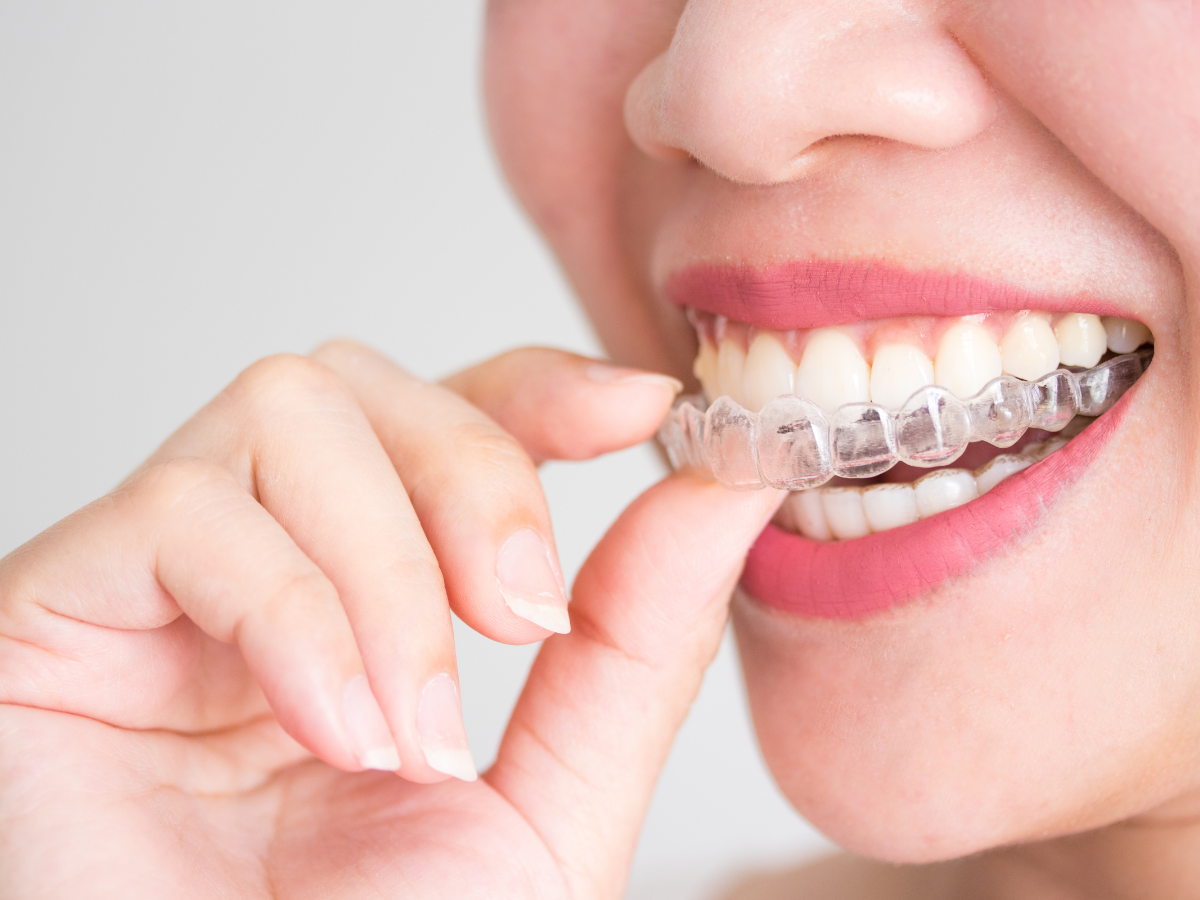
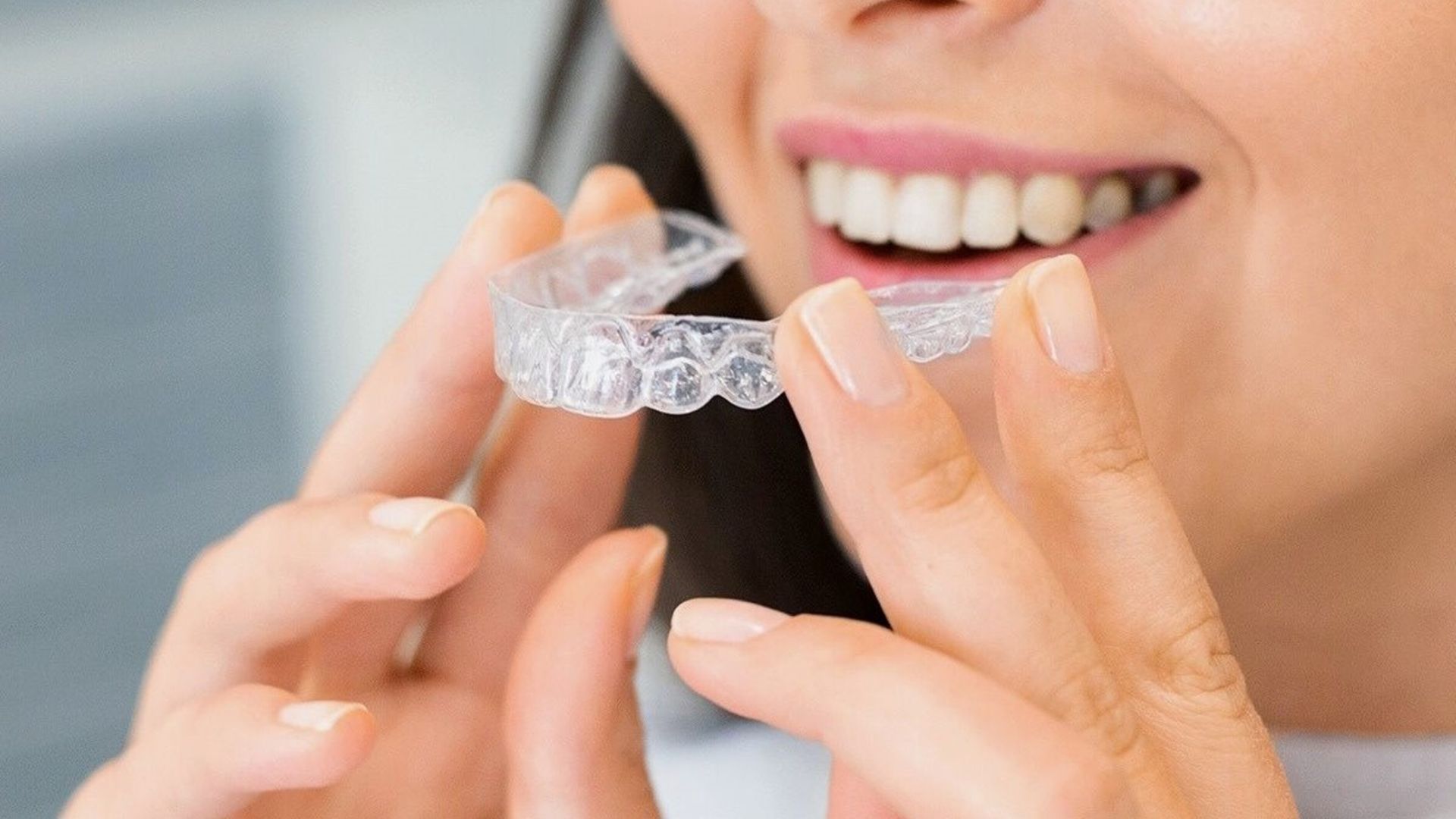
For decades, traditional metal braces were the go-to solution for correcting bite issues. While effective, they came with certain drawbacks: visible wires and brackets, dietary restrictions, and sometimes discomfort. Enter Invisalign – a revolutionary system that utilizes a series of custom-made, clear, removable aligners to gradually shift your teeth into their desired positions.
The appeal of
Invisalign is undeniable, especially for adults and image-conscious teenagers. The aligners are virtually invisible, allowing you to undergo orthodontic treatment discreetly. They are also removable, so you can eat whatever you like while maintaining your regular oral hygiene routine with ease. But the question remains: can this discreet system tackle the complexities of overbites and underbites?
How Invisalign in San Diego Addresses Overbites
Correcting an overbite with Invisalign involves a sophisticated interplay of forces and precision planning. At
Diamond Dental Studio, our experienced orthodontists leverage Invisalign's advanced technology to achieve remarkable results.
- Digital Treatment Planning: The process begins with a detailed 3D scan of your teeth and jaw. This allows your orthodontist to create a precise digital model and map every movement your teeth will make throughout treatment. You'll even get to see a virtual representation of your smile's transformation before you even begin!
- Strategic Tooth Movements: For an overbite, Invisalign aligners are designed to:
- Intrude Upper Front Teeth: Gently pushing the upper front teeth upwards into the gum line can reduce their vertical overlap.
- Extrude Lower Front Teeth: Conversely, the lower front teeth may be slightly pulled down to meet the upper teeth more effectively.
- Move Molar Position: In some cases, the entire upper or lower arch needs to be shifted backward or forward to correct the skeletal component of the overbite. This is often achieved through a process called "distalization" (moving molars backward) or "mesialization" (moving molars forward).
- Utilize Attachments and Elastics: Small, tooth-colored "attachments" are sometimes bonded to specific teeth. These provide anchors for the aligners to grip, enabling more complex and precise movements. For more severe overbites, tiny elastic bands may be used in conjunction with Invisalign to mimic the function of traditional braces' elastics and apply additional force for jaw alignment.
- Jaw Advancement: In certain cases, especially with younger patients whose jaws are still developing, Invisalign can be combined with "Invisalign Mandibular Advancement" features. These specialized aligners have small wings that help to gradually move the lower jaw forward, addressing the skeletal component of an overbite.
The key to successful overbite correction with
Invisalign lies in meticulous planning and consistent aligner wear. Each set of aligners is slightly different, applying controlled pressure to shift your teeth and jaw incrementally.
How Invisalign in San Diego Addresses Underbites
Underbite correction with Invisalign presents unique challenges and solutions. Similar to overbites, the treatment at
Diamond Dental Studio starts with comprehensive digital planning.
- Digital Treatment Planning: Just as with overbites, a detailed 3D scan and digital treatment plan are crucial. This allows for precise mapping of tooth and jaw movements.
- Strategic Tooth Movements: For an underbite, Invisalign aligners are engineered to:
- Procline Upper Incisors: Gently pushing the upper front teeth forward can help them overlap the lower front teeth correctly.
- Retrocline Lower Incisors: Conversely, the lower front teeth may be gently pushed backward to create the ideal overlap.
- Shift Molar Position: The entire upper or lower arch might need to be shifted to correct the skeletal discrepancy. This could involve "mesialization" of the upper molars (moving them forward) or "distalization" of the lower molars (moving them backward).
- Utilize Attachments and Elastics: As with overbites, attachments provide the necessary grip for complex movements, and elastics can be crucial for applying the extra force needed to reposition the jaw. These elastics might be worn from the upper aligner to the lower aligner to help pull the lower jaw back or push the upper jaw forward.
- Crossbite Correction: Underbites often come hand-in-hand with crossbites, where some upper teeth bite inside the lower teeth. Invisalign can effectively correct these individual tooth crossbites by expanding the upper arch or constricting the lower arch as needed.
Correcting an underbite with Invisalign demands an experienced hand and a thorough understanding of biomechanics. The ability of Invisalign to apply targeted forces to individual teeth and even influence jaw position makes it a powerful tool for underbite treatment.
The Importance of Expertise: Choosing Diamond Dental Studio for Your Invisalign Journey
While Invisalign is an incredibly versatile and effective system, its success in treating complex cases such as overbites and underbites largely depends on the orthodontist's expertise. At
Diamond Dental Studio in San Diego, we pride ourselves on:
- Experienced Orthodontists: Our team comprises highly skilled and experienced orthodontists who have undergone extensive training in Invisalign treatment, including advanced techniques for complex bite corrections.
- Cutting-Edge Technology: We use the latest 3D imaging and digital treatment-planning software, ensuring precision and predictable outcomes.
- Personalized Treatment Plans: We understand that every patient is unique. We develop customized Invisalign treatment plans tailored to your specific needs, goals, and the severity of your overbite or underbite.
- Comprehensive Care: From your initial consultation to your final retainer, we provide comprehensive support and guidance throughout your entire Invisalign journey.
- Commitment to E-E-A-T: Our commitment to Expertise, Experience, Authority, and Trust ensures that you receive the highest standard of care, backed by proven results and a patient-centered approach.
Beyond the Bite: The Benefits of a Corrected Malocclusion
Successfully treating an overbite or underbite with
Invisalign at
Diamond Dental Studio extends far beyond just aesthetic improvement. You can look forward to:
- Improved Oral Health: Easier cleaning, reduced risk of gum disease and cavities, and less wear and tear on your teeth.
- Enhanced Function: More efficient chewing, clearer speech, and reduced strain on your jaw joints.
- Increased Confidence: A beautifully aligned smile can dramatically boost self-esteem and open doors both personally and professionally.
- Long-Term Dental Stability: By correcting the underlying bite issue, you're investing in the long-term health and stability of your entire oral system.
Is Invisalign Right for You? The Consultation Process at Diamond Dental Studio
The first step in determining if
Invisalign can fix your overbite or underbite is to schedule a comprehensive consultation at
Diamond Dental Studio. During this visit, our orthodontist will:
- Conduct a Thorough Examination: This includes a visual inspection of your teeth, bite, and jaw, as well as digital X-rays and 3D scans.
- Discuss Your Concerns and Goals: We'll listen attentively to your goals for orthodontic treatment.
- Evaluate the Severity of Your Malocclusion: We'll assess the type and severity of your overbite or underbite.
- Present Your Treatment Options: Based on our findings, we'll explain whether Invisalign is a suitable option for you and, if so, outline the proposed treatment plan, including estimated duration and cost.
- Answer All Your Questions: We encourage you to ask any questions you may have about the process, what to expect, and financing options.
In many cases, even complex overbites and underbites can be effectively treated with Invisalign, sometimes in conjunction with other orthodontic appliances or techniques. Our goal at
Diamond Dental Studio is to provide you with the most effective, comfortable, and aesthetically pleasing solution for your unique needs.