Teeth Shifting Back After Braces? How Invisalign in San Diego Fixes Orthodontic Relapse
Published November 2026 | Last Updated November 2026
TL;DR: Teeth can drift back after braces, usually because retainers stopped being worn or the gums and bone keep pulling them toward their old spots. Invisalign is often a quick, discreet way to realign relapsed teeth, especially when the shift is mild. Wearing a retainer afterward, for life, is what keeps them from moving again.

Why Are My Teeth Shifting Back After Braces?
Teeth shift back after braces because the fibers in your gums and the surrounding bone keep pulling them toward their old positions, and teeth keep moving slightly throughout life. When a retainer is worn less or stops fitting, that drift shows up as crowding or new gaps. Invisalign can usually realign relapsed teeth without going back to metal braces.
Quick answer: Teeth moving after braces is common and fixable. Clear aligners can bring them back into line, and a retainer worn every night afterward keeps them there.
Key Takeaways
- Some movement after braces is normal; teeth are never truly fixed in place.
- The most common trigger for relapse is wearing a retainer less often, or not at all.
- Mild to moderate relapse is often a short Invisalign case, sometimes measured in months.
- Lifelong nighttime retainer wear is the single best way to keep the result.
The body content of your post goes here. To edit this text, click on it and delete this default text and start typing your own or paste your own from a different source.
When Your Straight Smile Starts to Slip
You spent years in braces. Maybe it was middle school, maybe college. The retainer got lost in a move, or it started feeling tight, so it went in a drawer.
Now, years later, a front tooth is turning. Your bottom teeth look crowded again. Floss catches where it never used to.
This is one of the most common things patients bring up in our Sorrento Valley office, and it isn't a sign that your braces failed. It's called orthodontic relapse, and in many cases it can be corrected with Invisalign at Diamond Dental Studio, with no brackets or wires the second time around.
Why Do Teeth Move After Braces Come Off?
Teeth aren't set in concrete. They sit in living bone and are held by gum and ligament fibers that keep remodeling for life, and some of those fibers pull teeth back toward where they started. Add in years of chewing, grinding, and normal aging, and teeth slowly drift unless a retainer holds them.
This isn't rare. A 2025 systematic review in Cureus of 10 studies and 720 patients notes that some relapse after orthodontic treatment is considered inevitable, and it found relapse in patients treated both with and without extractions. The same review highlights retention as one of the biggest factors in long-term stability.
The most common causes we see:
- Retainer wear tapered off. Every night became a few nights a week, then never.
- The retainer no longer fits. Clear retainers crack, warp, and wear thin over the years.
- A fixed retainer came loose. One debonded tooth on a bonded wire can drift on its own.
- Grinding and clenching. Heavy nighttime forces can push teeth out of line.
- Normal aging. Teeth, especially the lower front ones, tend to crowd slightly with age.
What Are the Signs Your Teeth Are Shifting?
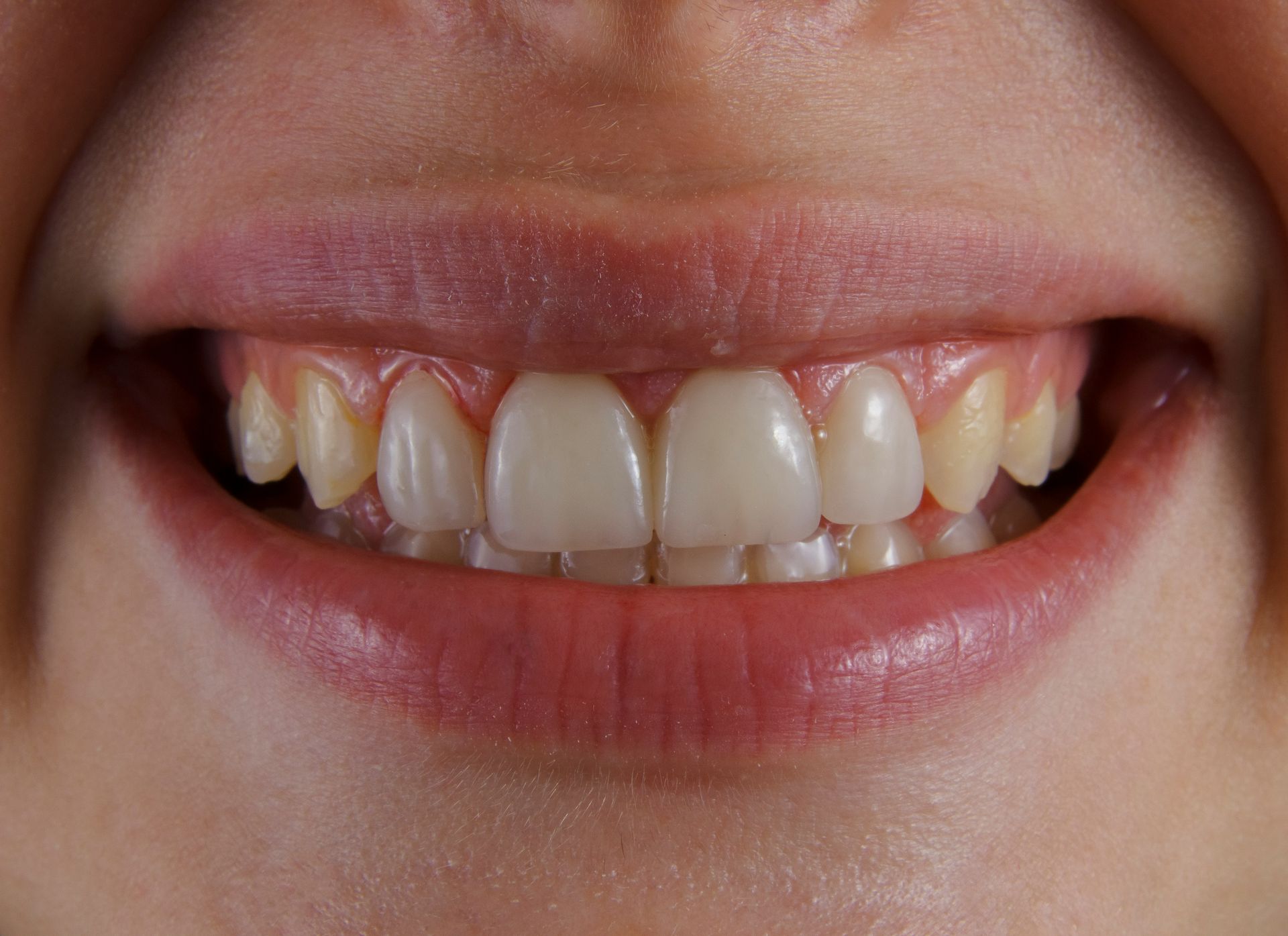
The earliest sign is usually a retainer that feels tight or won't snap in. After that come visible changes: a front tooth turning, lower teeth overlapping, a small gap reopening, or floss catching where it used to slide through. Catching it early usually means a shorter, simpler fix.
Other things patients notice:
- Food getting trapped between teeth that used to be tight.
- Your bite feeling slightly different when you close.
- One tooth sitting a little forward or back from its neighbors in photos.
- New crowding in the lower front teeth, the most common spot for relapse.
If your old retainer still fits with some pressure, wearing it consistently may nudge small shifts back. Cleveland Clinic notes this can work after a few weeks off, but
the longer teeth move, the harder it is to get a retainer to fit. Retainers are built to hold teeth, not to straighten them.
Can Invisalign Fix Teeth That Shifted After Braces?
Yes, in most cases. Relapse is usually mild to moderate crowding or spacing in the front teeth, which is the kind of movement clear aligners handle well. Because the teeth were straight once, the correction is often smaller and shorter than the original braces, and you don't have to go back to brackets and wires.
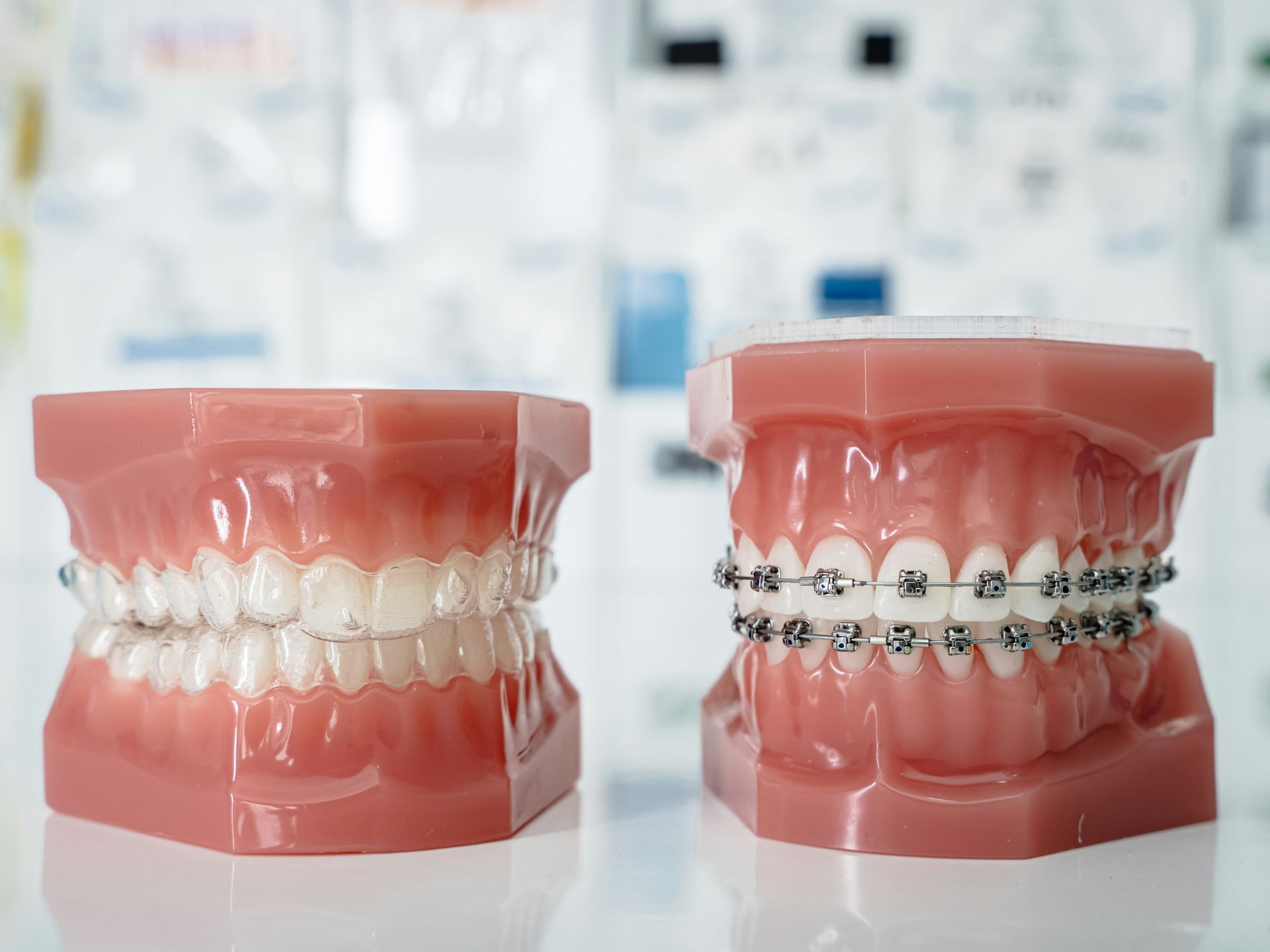
| Option | When It Works | Trade-offs | |
|---|---|---|---|
| Wearing your old retainer again | Very small shifts after a few weeks off, if the retainer still seats | Can't correct real crowding; a tight retainer may crack | |
| Invisalign | Mild to moderate crowding, rotations, or reopened gaps | Needs 20 to 22 hours of daily wear; a new retainer afterward | |
| Braces again | Complex bite changes or severe relapse | More visible; longer visits and more food limits | |
| Bonding or veneers | Tiny gaps or shape issues where moving teeth isn't the goal | Changes tooth shape, not position; doesn't fix crowding |
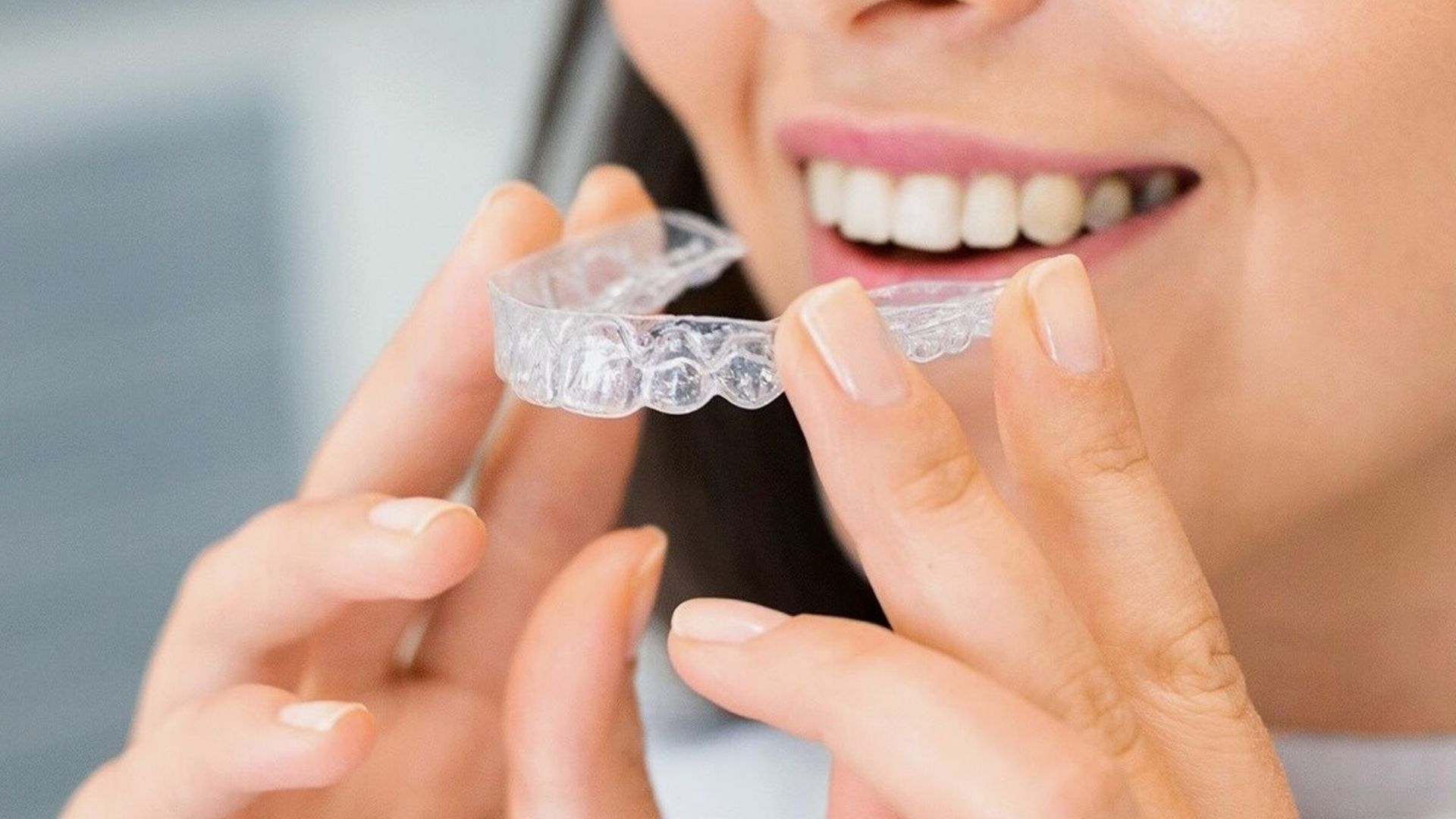
Invisalign uses a series of clear trays, each moving teeth a small step. Some cases need small tooth-colored bumps called attachments so the aligners can grip and rotate teeth; our post on what Invisalign attachments actually do explains them in detail.
Treatment time depends on how far teeth have moved. Minor corrections can be relatively short, while relapse that has also changed your bite takes longer, and Dr. Faith will give you a timeline after your scan.
How Do You Keep Teeth From Shifting Again?
Wear a retainer every night, for life. Cleveland Clinic advises full-time wear for at least four to six months after treatment, then nighttime wear for the rest of your life. Lifelong retention is what keeps your second round of straightening from becoming a third.
A few habits make a big difference:
- Replace worn retainers. Clear retainers wear out; a cracked or loose one isn't holding your teeth.
- Bring your retainer to checkups. We can check the fit before teeth move.
- Consider a fixed retainer on the lower front teeth. The 2025 review linked bonded retainers with better long-term stability, though they need careful flossing.
- Protect against grinding. If you clench at night, ask about a night guard.
What Does Invisalign for Relapse Look Like at Our Office?
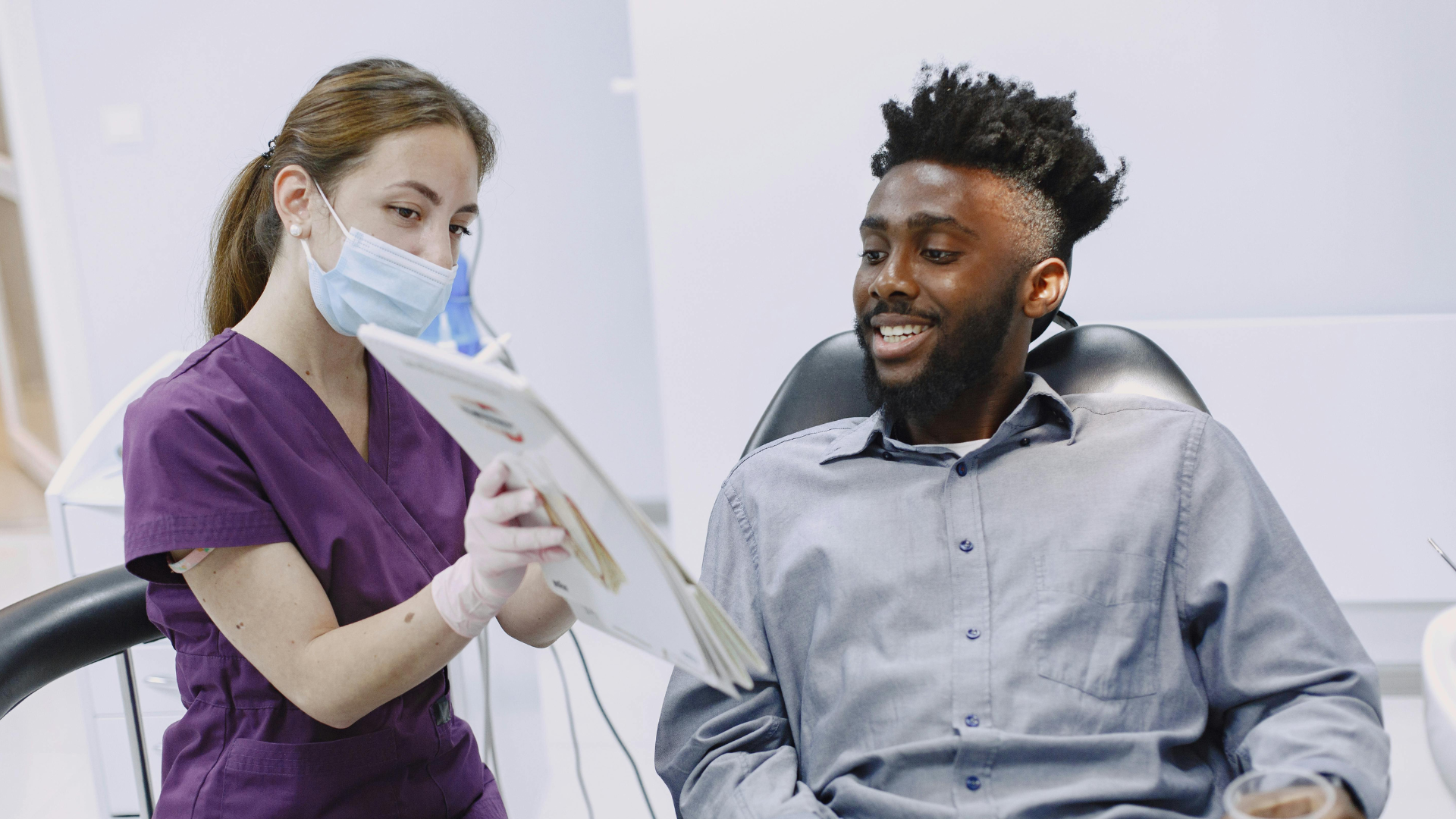
Invisalign for relapse starts with a consultation and digital scan at our Sorrento Valley office. Dr. Faith checks your gums, bite, and any old retainer, then maps how far each tooth has moved. You'll see a plan for your new smile before the first aligner is made.
Here's how it typically goes:
- Consultation and scan. We review your braces history, check gum health, and take a digital scan instead of messy impressions.
- Your treatment plan. You see a preview of how your teeth will move and an estimated timeline.
- Aligners and attachments. Attachments are placed if needed, and you start your first set of trays.
- Check-ins. Short visits make sure each tooth is tracking as planned.
- Retainers for life. When treatment ends, you get new retainers and a clear plan for wearing them.
Frequently Asked Questions
Why are my teeth moving years after braces?
Teeth keep moving throughout life. Gum and ligament fibers pull them toward their old positions, the bone around them keeps remodeling, and grinding and aging add pressure. When a retainer is worn less often or stops fitting, that drift shows up as crowding, rotations, or small gaps.
Can Invisalign fix crooked teeth after braces?
Yes, in most cases. Relapse after braces is usually mild to moderate crowding or spacing in the front teeth, which clear aligners handle well. Because the teeth were straight before, the correction is often shorter than the original treatment, and you won't need brackets or wires again.
Can my old retainer push my teeth back?
Sometimes, if the shift is small and recent. Wearing a retainer that still seats with some pressure can nudge teeth back after a few weeks off. If it won't fit, feels painful, or the teeth have moved for months or years, it's time for aligners instead of forcing it.
How long does Invisalign take to fix relapse?
It depends on how far your teeth have moved. Small shifts in the front teeth can be relatively quick, while relapse that has also changed your bite takes longer. After a digital scan, Dr. Faith can show you the planned movement and give you a personal timeline.
Do I have to wear a retainer forever after Invisalign?
Yes. Cleveland Clinic advises nighttime retainer wear for life after orthodontic treatment, because teeth keep shifting as you age. Wearing your retainer every night is the simplest way to protect your result and avoid needing treatment a third time.
Is a permanent retainer better than a clear one?
Each has trade-offs. A bonded wire behind the front teeth works without you remembering it and has been linked with better long-term stability, but it needs careful flossing and regular checks. A clear removable retainer is easier to clean but only works if you wear it. Some patients use both.
Does insurance cover Invisalign for relapse?
It varies. Some dental plans include an orthodontic benefit for adults, while others limit it to children or exclude it. Our team can check your benefits and give you a clear estimate before you start, and HSA or FSA funds can often be used for treatment.
Meet Your San Diego Invisalign Dentist
Dr. Faith-Roselle Barreyro, DMD, known to patients as "Dr. Faith," leads Diamond Dental Studio. Born in San Diego and raised in a military family, she earned her Bachelor of Science in Chemistry from UC San Diego and her Doctor of Dental Medicine from A.T. Still University's Arizona School of Dentistry and Oral Health.
Dr. Faith is a graduate of the Kois Center, known for its training in comprehensive and aesthetic dentistry. She is a member of the American Academy of Clear Aligners, along with the American Dental Association, California Dental Association, San Diego County Dental Society, Academy of General Dentistry, and American Academy of Facial Esthetics.
Diamond Dental Studio is at 5425 Oberlin Dr., Suite 101, San Diego, CA 92121, in Sorrento Valley, with 7 AM appointments on Thursdays and Fridays.
Get Your Straight Smile Back
Teeth shifting after braces is common, and it doesn't mean your first treatment was wasted. In most cases, clear aligners can bring your teeth back into line without metal braces.
The sooner you act, the simpler the fix tends to be. And with a retainer worn every night afterward, this round can be the last.
If your retainer feels tight or your teeth look different in photos,
book an Invisalign consultation with Dr. Faith at Diamond Dental Studio. Call (858) 546-0500 or book online.
Recent Posts