Why Your Teeth Are Still Yellow After Whitening Strips (And How San Diego Dentists Fix It)
Published November 2026 | Last Updated November 2026
TL;DR: Whitening strips only lift surface stains, and they can't change crowns, fillings, or deep discoloration inside the tooth. If your teeth are still yellow, the cause may be thin enamel, intrinsic stains, or uneven strip contact. A dentist can find the real cause and match it to professional whitening, bonding, or veneers.

Why Are My Teeth Still Yellow After Whitening Strips?
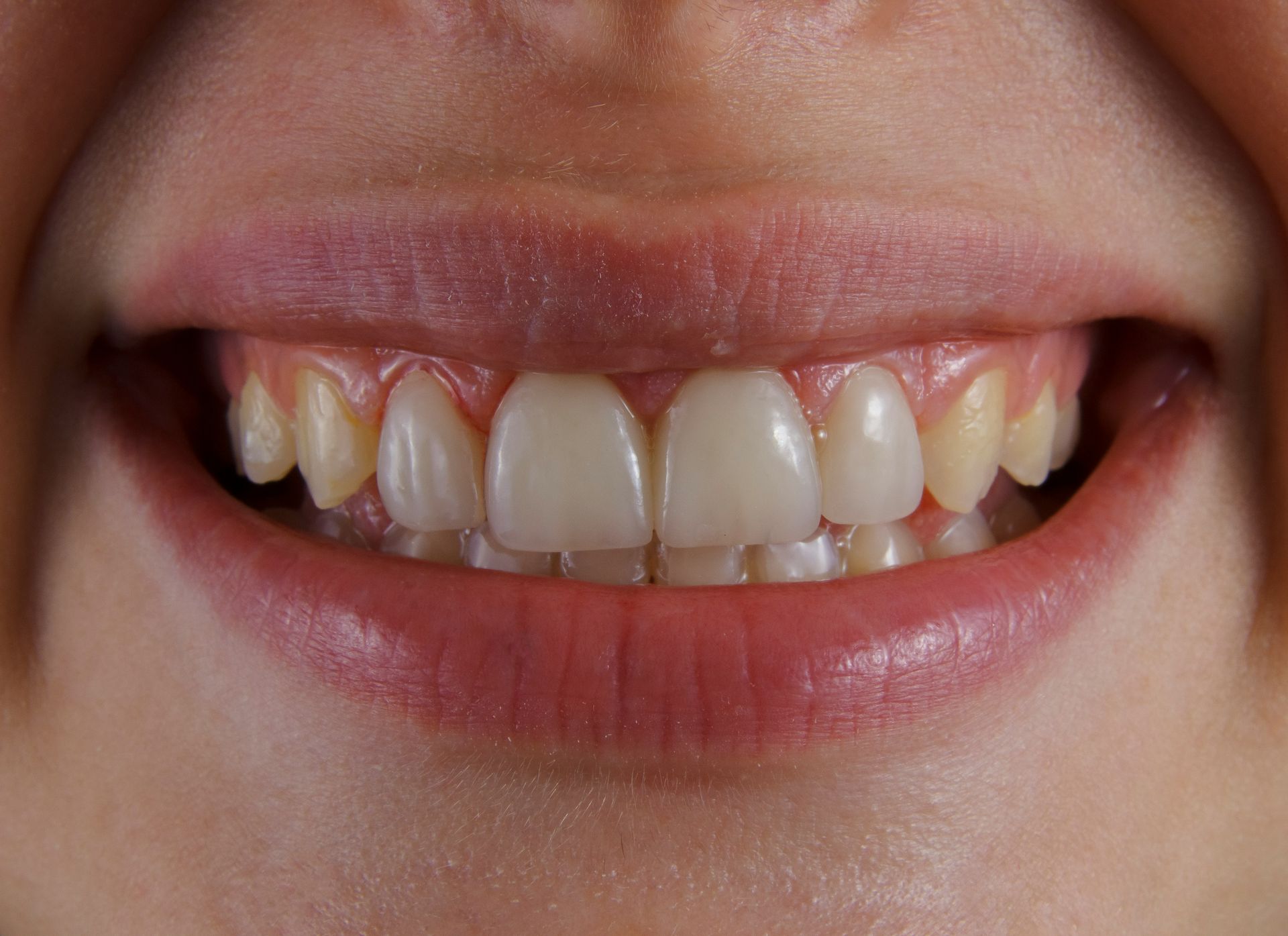
Whitening strips work best on surface stains from coffee, tea, and wine. They often fall short when the yellow comes from inside the tooth, from thinning enamel that shows yellowish dentin, or from fillings and crowns that bleach can't change. Strips also miss curved and crowded areas. A dentist can identify the cause and choose a stronger fix.
Quick answer: If strips didn't work, the stain probably isn't the kind strips can reach. Professional whitening, bonding, or veneers can usually finish the job.
Key Takeaways
- Strips work best on surface (extrinsic) stains; deeper (intrinsic) color responds slowly or not at all.
- Whitening never changes the color of fillings, crowns, bonding, or veneers.
- Thin enamel can make teeth look yellow no matter how much you bleach.
- A quick exam tells you which fix will actually work before you spend more on kits.
When the Box Promised More Than Your Mirror Shows
You followed the instructions. Thirty minutes a day, two weeks straight, maybe a second box for good measure. Your teeth feel a little sensitive, but they still don't look white.
We hear some version of this every week at our Sorrento Valley office. It's frustrating, and it's usually not your fault.
Strips are built for one kind of stain. If your yellow comes from somewhere else, no amount of extra strips will fix it. The good news is that professional teeth whitening at Diamond Dental Studio, or a different cosmetic option, usually can.
Why Didn't My Whitening Strips Work?
Strips usually fall short for one of five reasons: their peroxide is weaker than professional gel, the stain sits deep inside the tooth, thin enamel lets yellow dentin show through, fillings or crowns won't bleach, or the flat strip never touched every surface. Often it's more than one of these at once.
Here's what's usually going on:
- Lower strength. The American Dental Association notes that over-the-counter whiteners use lower peroxide concentrations than in-office or dentist-prescribed gels.
- Deep (intrinsic) color. Stains inside the tooth, from aging, childhood antibiotics, or old trauma, respond slowly or barely at all.
- Thin enamel. With age, enamel gets thinner and more translucent, letting the naturally yellow dentin underneath show through. Bleaching can't add enamel back.
- Restorations. Tooth-colored fillings, crowns, bonding, and veneers don't change color, so whitened teeth around them can make the mismatch more obvious.
- Poor contact. Strips sit flat. Crowded, rotated, or curved teeth leave spots the gel never reaches, which can cause blotchy results.
Tartar matters too. Hardened buildup can sit between the gel and your enamel, which is one reason a professional cleaning often comes first.
What Kind of Stain Do You Have?
The color and pattern of your stain point to its cause. Even yellow that comes from coffee and tea usually responds to whitening. Yellow from aging enamel, brown or gray tones, white spots, and one dark tooth are different problems, and each has a better fix than another box of strips.
| What you see | Likely cause | Will strips help? | Better option |
|---|---|---|---|
| Even yellow from coffee, tea, or wine | Surface (extrinsic) stain | Often, given time | Cleaning, then professional whitening for faster results |
| Yellow that never gets lighter | Thin enamel showing dentin | Little | Professional whitening, then bonding or veneers if needed |
| Brown or gray bands | Tetracycline or fluorosis | Slowly, if at all | Months of supervised tray whitening, or veneers |
| Chalky white spots | Fluorosis or past braces | No; spots can look brighter at first | Microabrasion or bonding |
| One tooth turning gray | Nerve damage or old trauma | No | Exam first; internal bleaching, a crown, or a veneer |
| Fillings or crowns that stand out | Restorations don't bleach | No | Whiten first, then replace to match |
Cleveland Clinic points out that a gray tooth can mean the nerve has died. That's a reason to see a dentist, not to whiten harder.
How Is Professional Whitening Different From Strips?
Professional whitening uses stronger gel, a better fit, and a dentist who knows what's causing the color. A study cited by the ADA found an over-the-counter method took 16 days to reach the shade that custom trays reached in seven days and an in-office treatment reached in one.
| Option | Strength | Fit | Typical time to results |
|---|---|---|---|
| Drugstore strips | Lower peroxide | Flat, one size | Weeks |
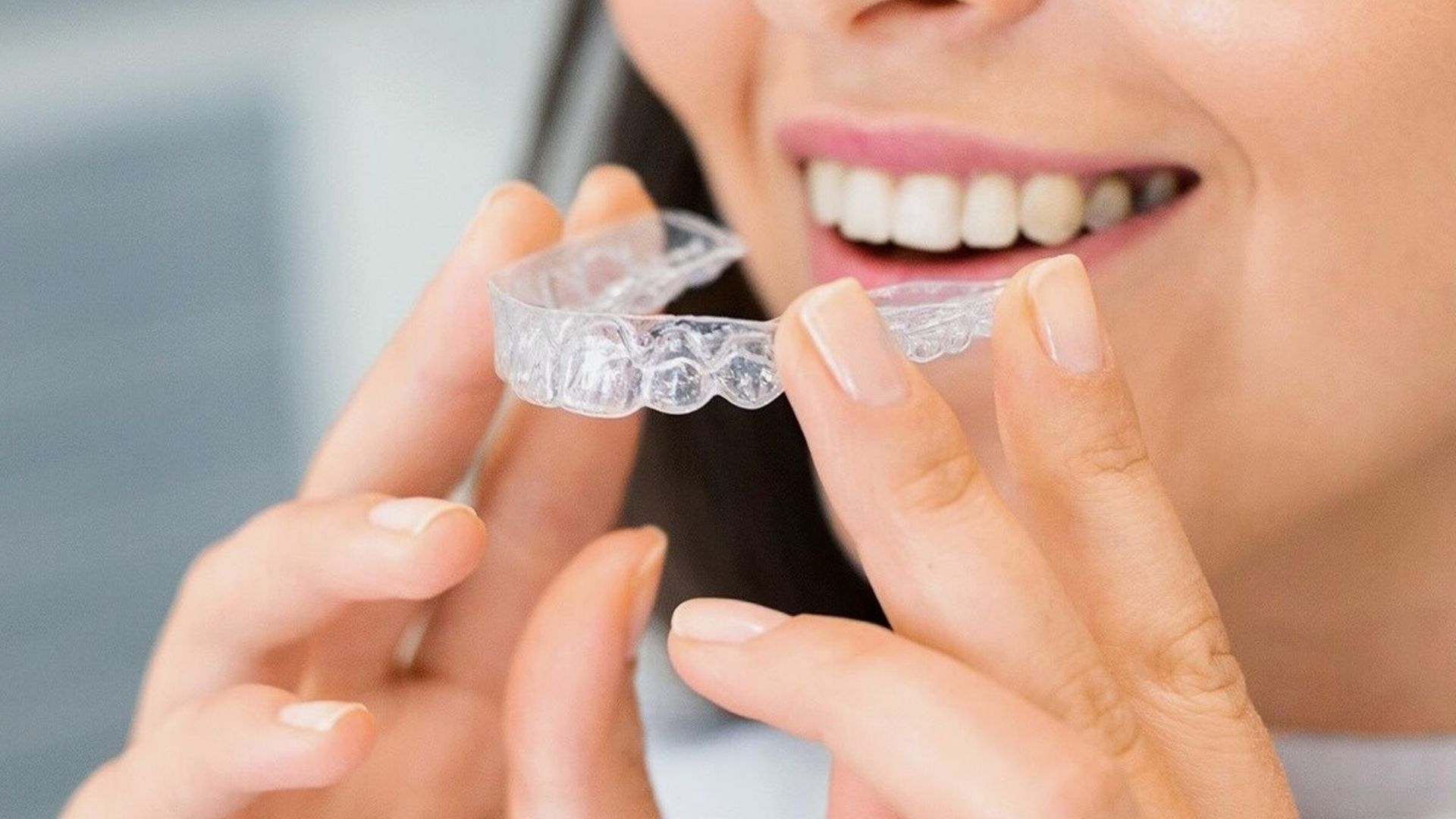
| Custom take-home trays | Professional-strength gel | Made from your teeth; keeps gel off gums | About a week or two of daily wear |
| In-office whitening | Highest concentration, with gum protection | Applied by your dental team | One visit, about an hour |
Custom trays are made to
minimize gel contact with your gums, according to the ADA, which helps reduce irritation. Many patients do best with a combination: an in-office session for a quick start and trays for touch-ups at home.
What If Whitening Alone Can't Fix It?
Some color won't lift with any bleach. The ADA notes that removing intrinsic stains deep in the dentin is considered nearly impossible with external whitening alone. In those cases, the fix is to cover the color rather than bleach it, with bonding, porcelain veneers, or a crown.
- Composite bonding covers a few stained or spotted teeth in one visit. Cleveland Clinic notes touch-ups are usually needed every five to seven years.
- Porcelain veneers hide widespread or stubborn discoloration and can also improve shape. They typically last five to 15 years.
- Crowns suit teeth that are discolored and also weakened or heavily filled.
- Internal bleaching can lighten a single dark tooth that has had a root canal.
The order matters. Whitening first lets us match any new bonding, veneers, or crowns to your brighter shade. Our post on four options for a smile makeover walks through how these treatments fit together.
What Happens at a Whitening Visit at Our Office?
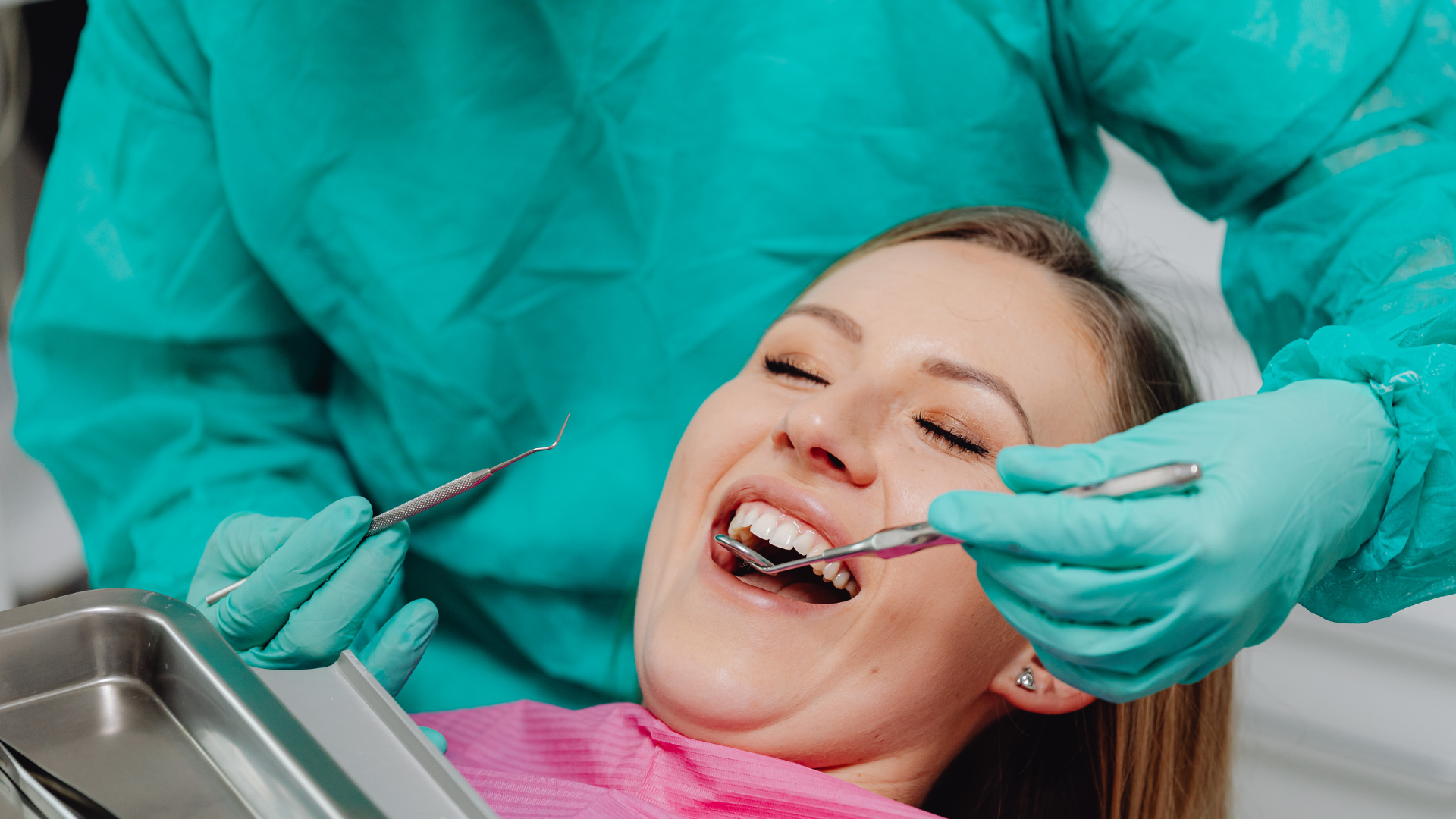
It starts with finding out why your teeth are yellow. Dr. Faith checks your enamel, existing fillings and crowns, and any sensitivity, then recommends the option that matches your stain. That way, you aren't paying for whitening that can't change the color you're worried about.
A typical visit looks like this:
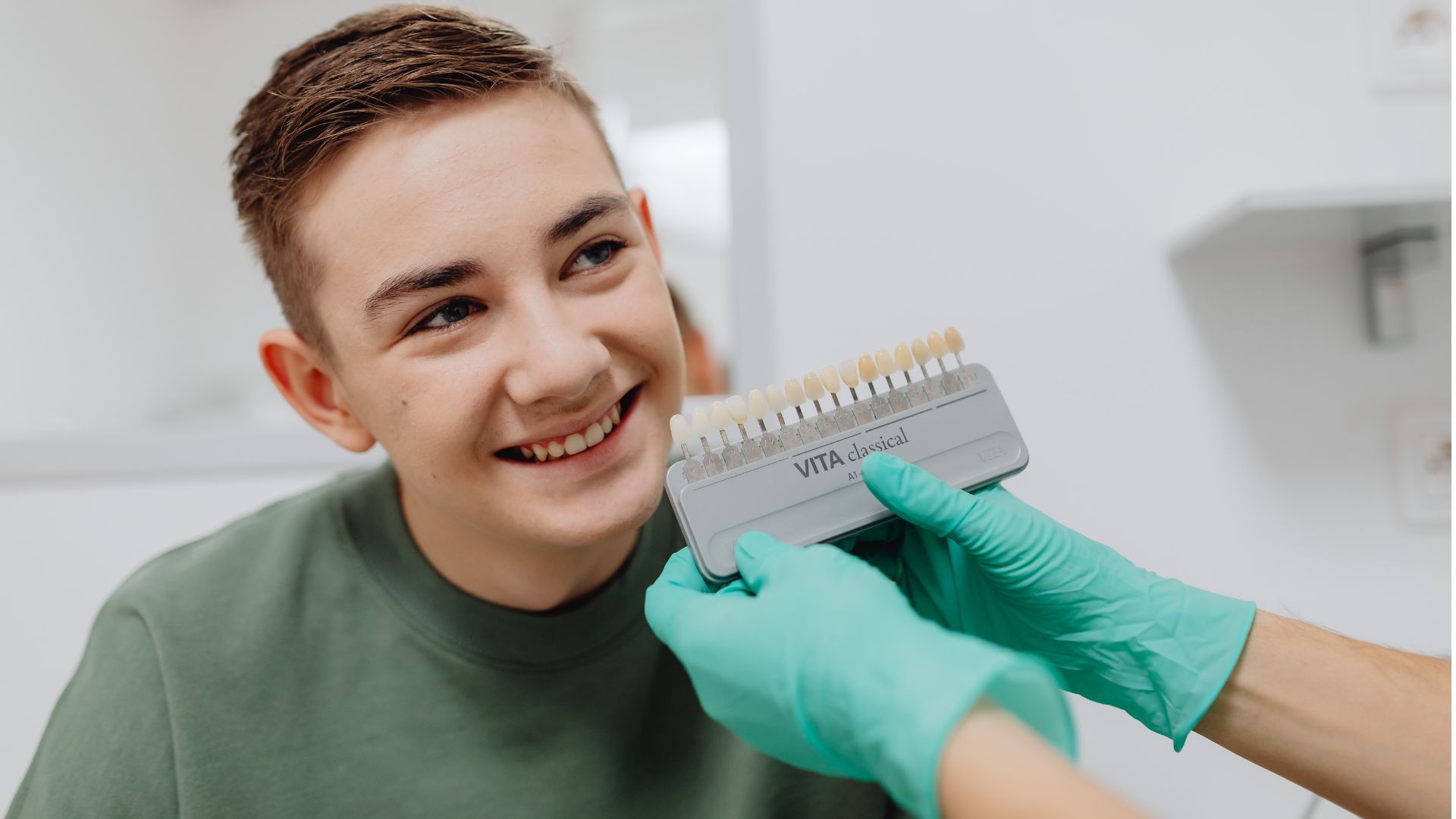
- Exam and shade check. We record your current shade and look for decay, gum issues, or restorations that won't whiten.
- Cleaning if needed. Removing tartar and surface buildup lets the gel reach your enamel evenly.
- Your whitening plan. In-office whitening, custom take-home trays, or both, depending on your stain and schedule.
- Follow-up and next steps. Once your color settles, we decide together whether bonding or veneers are needed to finish.
Frequently Asked Questions
Why are my teeth still yellow after whitening strips?
Usually because the yellow isn't the kind strips can reach. Strips use lower-strength peroxide and work best on surface stains. Yellow from thinning enamel, deep internal stains, or fillings and crowns won't respond much, and flat strips can miss crowded or curved teeth.
Can yellow teeth from aging be whitened?
Often partly. Aging thins enamel so more yellow dentin shows through. Professional whitening can lighten the tooth itself, but it can't rebuild enamel. If you want a brighter result than bleaching allows, bonding or porcelain veneers can cover the color.
Is professional whitening better than strips?
It's faster and more controlled. Research cited by the ADA found an over-the-counter method took 16 days to match the result of seven days with custom trays or one in-office visit. A dentist can also check that your stain will respond before you start.
Why do my teeth look blotchy after whitening strips?
Blotchy results usually come from uneven strip contact on crowded or curved teeth, or from white spots that stand out more as the rest of the tooth lightens. They often even out over a few days. If they don't, microabrasion or bonding can blend them.
Will whitening change the color of my crowns or fillings?
No. Whitening only lightens natural teeth. Crowns, veneers, bonding, and tooth-colored fillings stay the same shade, which can make them stand out after whitening. Dentists usually whiten first, then replace visible restorations to match the new shade.
Does professional whitening make teeth sensitive?
It can, briefly. The ADA notes temporary sensitivity is the most common side effect of any whitening, but it's usually mild and fades within a few days of finishing. Your dentist can adjust the gel strength or wear time, or recommend a desensitizing toothpaste.
How long does professional whitening last?
Results typically last a long time, but coffee, tea, red wine, and tobacco will slowly restain teeth. Rinsing after dark drinks, regular cleanings, and occasional touch-ups with your custom trays help keep your shade where you want it.
Meet Your San Diego Cosmetic Dentist
Dr. Faith-Roselle Barreyro, DMD, known to patients as "Dr. Faith," leads Diamond Dental Studio. Born in San Diego and raised in a military family, she earned her Bachelor of Science in Chemistry from UC San Diego and her Doctor of Dental Medicine from A.T. Still University's Arizona School of Dentistry and Oral Health.
Dr. Faith is a graduate of the Kois Center, known for its training in comprehensive and aesthetic dentistry. She is a member of the American Academy of Facial Esthetics and the American Academy of Clear Aligners, along with the American Dental Association, California Dental Association, San Diego County Dental Society, and Academy of General Dentistry.
Diamond Dental Studio is at
5425 Oberlin Dr., Suite 101, San Diego, CA 92121, in Sorrento Valley, with 7 AM appointments on Thursdays and Fridays.
Stop Guessing and Find Out What's Behind the Yellow
If strips didn't work, it's not because you used them wrong. Most of the time, the stain simply isn't one strips can reach.
A short exam can tell you whether professional whitening, bonding, or veneers will give you the result you were hoping for before you spend more on another kit.
Schedule a whitening consultation with Dr. Faith at Diamond Dental Studio. Call (858) 546-0500 or book online.
Recent Posts